Why Your Weeknight Curry Never Tastes Like the Restaurant's (And What's Really Going On in That Pan)
You've seen the headlines. Twenty-minute tikka masala. Quick weeknight dal. Speedy butter chicken in under half an hour. They show up all over food blogs, promising restaurant-quality Indian food on a Tuesday night without breaking a sweat. And every single time, you end up with something that's... fine. Edible. Maybe even pretty good. But not that.
Not the kind of curry that makes you close your eyes for a second. Not the depth that hits you in waves — first the warmth, then the richness, then that lingering something you can't quite name.
So what's actually going on? Why does the gap between home cooking and a great Indian restaurant feel so much wider than, say, pasta or a burger? The answer lives in chemistry — specifically, in what happens to spices when they're given the time and heat they actually need.
The Blooming Problem Nobody Talks About
When a recipe tells you to "add your spices and stir for one minute," it's technically not wrong. Spices do need heat to release their volatile compounds — the aromatic oils that carry flavor. But one minute in a home kitchen, over a standard electric or gas burner, is rarely enough to do the job properly.
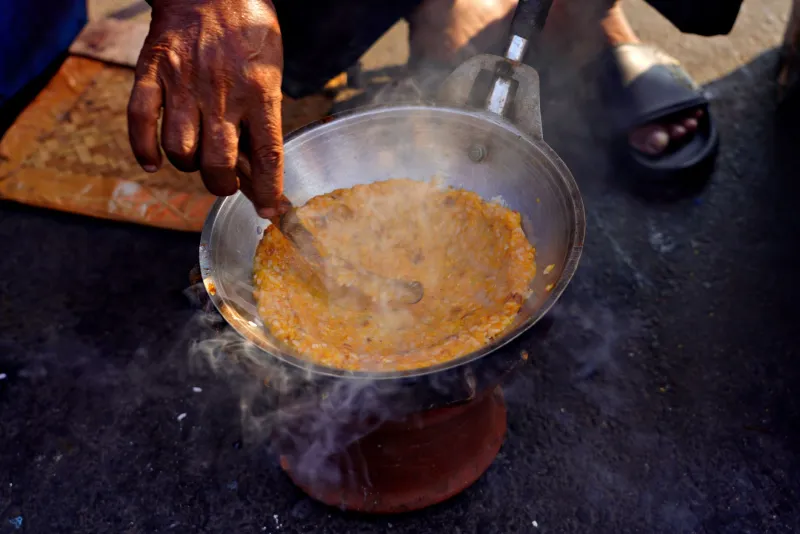
Professional Indian cooks talk about bhunao — a technique of continuous stirring and cooking that develops a masala base over time. It's not glamorous. It looks like a lot of standing over a pan watching oil separate from onion paste. But what's actually happening is a cascade of reactions: the Maillard reaction browning the onion proteins, the fat-soluble compounds in spices like cumin and coriander dissolving into the oil, and the raw sharpness of garlic and ginger cooking off to reveal their sweeter, more complex undertones.
Rush that process — really rush it — and you get raw spice flavor sitting on top of your dish rather than woven through it. It's the difference between wearing a perfume and smelling like you knocked the bottle over.
Oil as a Flavor Vehicle (This Is Where Most Recipes Cut Corners)
Here's something that doesn't make it into the quick-cook articles: the oil in an Indian dish isn't just a cooking medium. It's a carrier. Fat-soluble flavor compounds from cardamom, cloves, bay leaves, and whole peppercorns need lipids to travel — to move through the dish and coat every ingredient they touch.
Restaurant kitchens typically use more oil than home cooks are comfortable with, and they use it intentionally. A proper tarka — that sizzling temper of whole spices in hot fat — needs the oil at a high enough temperature to crack the spices open almost immediately. Too cool, and the spices just sit there. Too fast, and they burn before they bloom.
At home, most people are either nervous about the amount of oil or rushing past this step to get dinner on the table. Both instincts are completely understandable. Both produce a dish that's missing something.
Layering Flavors Isn't a Metaphor — It's Literal Timing
Another dimension that gets flattened in quick-cook recipes is the sequence of flavors. Authentic Indian cooking builds in stages. Aromatics go in first and cook long enough to lose their bite. Ground spices follow, cooked in fat until they're fragrant and slightly darkened. Tomatoes or other acids come next, and they need time to break down completely and sweeten. Then protein or vegetables. Then finishing spices or cream or fresh herbs.
Collapse those stages — which is exactly what a 20-minute recipe requires — and the flavors don't have time to merge. You end up tasting layers when you should be tasting depth.
This isn't a knock on home cooks. It's just physics and chemistry doing what they do.
What Taaze Express Is Actually Doing in Those Minutes You Skip
When you order from Taaze Express, you're not just paying for convenience. You're paying for the 45 minutes of base-building that happened before your order even came in. Restaurant kitchens prep masala bases, bloom spices into large quantities of oil, and reduce sauces over extended cook times — then finish individual orders to order. That's why your delivery arrives tasting like it came from someone who's been cooking all day. Because in a meaningful sense, it has.
That's not a process that scales down easily to a single weeknight serving. It's genuinely hard to replicate at home without commitment.
Recipes That Actually Work: The 40-60 Minute Reality
If you want to cook Indian food at home and have it actually deliver, here's the honest version of what that looks like:
A weeknight dal that works: Red lentils (masoor dal) are your best friend here because they cook fast. But don't rush the tarka. Heat a generous amount of oil or ghee — more than feels comfortable — until it shimmers. Add whole cumin seeds and let them sputter and darken for a full 60 seconds before adding sliced garlic. Let the garlic turn golden at the edges. Add dried chilies. Now add your onions and cook them, stirring every few minutes, for at least 12-15 minutes until they're a deep amber. This step alone is what most quick recipes skip. Add ground spices and cook another 3-4 minutes. Then add your tomatoes and cook them down until the oil separates from the paste — that's your signal that the masala is done. The lentils themselves cook in about 20 minutes. Total time: 45-50 minutes. Result: something that actually tastes like food.
A chicken curry that earns the name: Same principle. Brown your onion paste low and slow — 15-20 minutes minimum. The color should go from white to pale gold to a warm tawny brown. Add ginger-garlic paste and cook it until the raw smell is completely gone (about 5 minutes). Ground spices, then tomato, then chicken. Cover and cook 20-25 minutes. Finish with cream or yogurt if you like. Total time: about an hour. Flavor payoff: enormous.
The Honest Bottom Line
There's no shame in not having an hour on a Wednesday night. That's just life. But it's worth being honest about the trade-off: truly great Indian cooking at home takes time, and that time is doing real, measurable work.
On the nights when you want the depth without the hour-long commitment, Taaze Express exists precisely for that reason. Fresh, made-to-order, with all the chemistry already handled. And on the weekends when you want to try it yourself? Give the onions the 15 minutes they're asking for. You'll taste the difference immediately.