So Your Partner Thinks Indian Food Is 'Too Spicy': A Game Plan That Actually Works
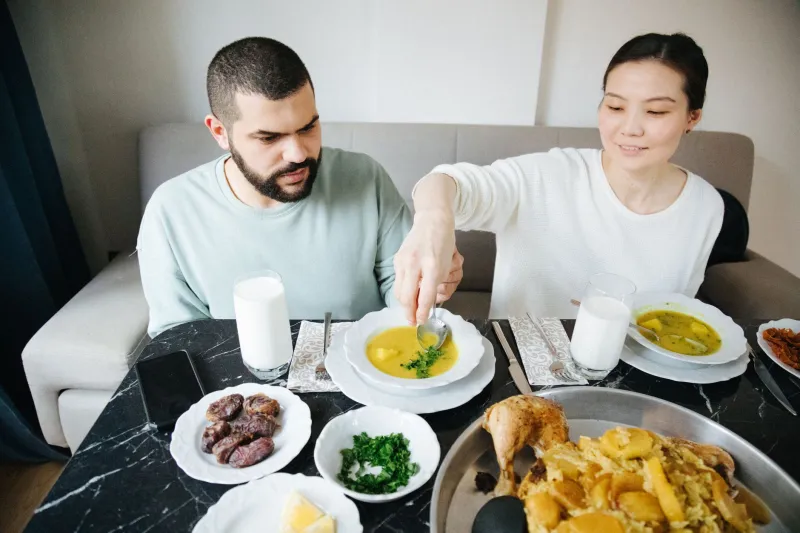
You love Indian food. Your partner has decided — based on one bad experience at a generic buffet in 2017 — that Indian food is "too intense" and has no interest in revisiting that conclusion. Sound familiar?
You're not alone. In a lot of households across the US, Indian cuisine is the food one person orders enthusiastically while the other quietly opens a second browser tab to look at pizza options. But here's the thing: the resistance is almost never about the actual food. It's about misconceptions, unfamiliarity, and a lack of the right entry point.
This is a guide to finding that entry point — and making the whole experience feel fun instead of like a negotiation.
First, Let's Clear Up the Biggest Myths
Before you even think about what to order, it helps to understand what's probably holding your partner back. These are the three most common misconceptions about Indian food in the US, and all of them are worth addressing out loud.
Myth #1: All Indian food is fiery hot. This is the big one. Indian cuisine is spiced — meaning it uses a wide range of aromatic spices — but it is not inherently spicy in the chili-heat sense. Dishes like butter chicken, saag paneer, and korma are mild and creamy. Many Indian restaurants and delivery services (including Taaze Express) allow you to customize heat levels. "Spiced" and "spicy" are not the same word, even if they look alike.
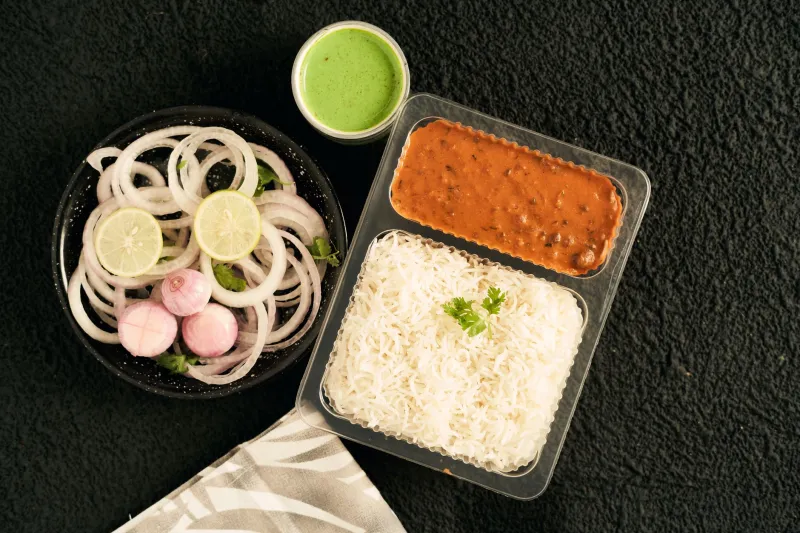
Myth #2: Indian food is heavy and will wreck you for the rest of the evening. This one usually comes from a buffet experience, where everything has been sitting under a heat lamp for two hours and the portions are unlimited. Fresh, well-made Indian food is actually quite light — especially dishes built around lentils, grilled proteins, or vegetable-forward preparations. A proper portion of dal or tandoori chicken is not going to put anyone in a food coma.
Myth #3: Everything smells weird. Fair enough — Indian cooking uses aromatics that are genuinely unfamiliar to people who didn't grow up around them. But "unfamiliar" is different from "bad," and most people, once they taste the food rather than just smelling the kitchen, come around fast. Aroma is also something you get used to quickly. By the third or fourth meal, it starts smelling incredible.
The Gateway Dish Strategy
The secret to converting a skeptic is not to start with the most complex, aromatic, or heat-forward dish on the menu. You build a bridge from familiar to new, one dish at a time.
Here's a progression that works for most hesitant eaters:
Start Here: Butter Chicken (Murgh Makhani)
If your partner eats chicken and isn't vegan, butter chicken is your best opening move. The sauce is creamy, slightly sweet, and built on tomatoes and cream — a flavor profile that's genuinely not that far from a rich tomato pasta sauce. The spice level is mild by default, and it has a warmth that feels comforting rather than challenging. Serve it with naan and you're giving them something that feels approachable and satisfying.
This dish converts people. It's not a compromise — it's genuinely delicious, and it's a perfect first impression.
Next Step: Saag Paneer or Palak Paneer
Once butter chicken has done its job, introduce something vegetarian. Saag paneer is creamed spinach with cubes of fresh Indian cheese — and if you describe it that way, most people are already half-interested. The texture is smooth, the flavor is earthy and mild, and it pairs beautifully with basmati rice. This is also a good dish for partners who are skeptical about meat preparation from restaurants they don't know yet.
Moving Along: Tikka Masala
Tikka masala is a step up in complexity — the sauce is more aromatic than butter chicken, with a slightly deeper spice profile — but it's still firmly in the mild-to-medium range. By this point, your partner has had a couple of wins and is starting to associate Indian food with flavors they actually like. Tikka masala builds on that foundation.
For the Adventurous: Chana Masala or Lamb Rogan Josh
Once you've got buy-in, you can start exploring. Chana masala has a tangier, bolder flavor profile and is a great introduction to how Indian spices work without cream-based softening. Lamb rogan josh is rich, aromatic, and deeply savory — a dish that shows off what Indian cooking can really do. By this stage, your partner isn't a skeptic anymore. They're just someone who's still figuring out their favorites.
Making the Ordering Experience Feel Like a Team Thing
One thing that kills enthusiasm fast is feeling like you're being dragged along for someone else's food adventure. The fix is simple: make the ordering process collaborative.
When you pull up the Taaze Express menu, hand over your phone (or laptop) and let them scroll. Ask what looks interesting rather than what they're willing to tolerate. Let them pick one dish entirely on their own — even if it's the safest option on the menu. Having ownership over the choice makes a huge difference in how people experience the meal.
You can also frame it as an experiment rather than a commitment. "Let's try a couple of things and see what we like" takes the pressure off entirely. Nobody has to decide whether they love Indian food tonight. They just have to be curious.
Little Moves That Make a Big Difference
- Order a variety. Getting two or three dishes to share means nobody is stuck with something they don't click with. It also shows off the range of the cuisine.
- Include something familiar. Rice, naan, and raita (a cool yogurt-based condiment) give skeptics something to anchor to while they explore bolder flavors.
- Don't make it a big deal. The more you hype up the conversion moment, the more pressure your partner feels. Keep it casual — it's just dinner.
- Let them dip. Raita and mango chutney are incredible tools for easing into bolder dishes. A little coolness or sweetness alongside a more aromatic curry helps the palate adjust.
The Long Game
Converting a skeptic isn't always a one-meal process, and that's completely fine. Some people need two or three low-stakes experiences before they start genuinely looking forward to Indian food. The goal isn't to win an argument — it's to share something you love in a way that feels good for both of you.
Ordering from Taaze Express makes that process easy. Fresh food, customizable heat levels, and a wide enough menu that there's genuinely something for everyone — even the person who's still on the fence. Give it a few tries, keep the stakes low, and don't be surprised when your partner is the one suggesting Indian food on a Friday night.
It happens more often than you'd think.