Beat Meal Prep Burnout: A 7-Day Indian Food Rotation That Actually Keeps Things Interesting
Let's be honest about meal prep culture for a second. The concept is great — cook once, eat well all week, save money, hit your macros. The reality? By Wednesday you're staring at your fourth container of identical food and seriously considering ordering a pizza just for the psychological relief of eating something different.
The problem isn't discipline. The problem is that most meal prep strategies treat food as fuel rather than pleasure, and humans aren't built to eat the same thing on autopilot without eventually rebelling against it.
Here's the thing though: India solved this problem centuries ago. Not intentionally, not as a wellness hack — just because the country has so many distinct regional cuisines, cooking traditions, and flavor profiles that eating Indian food for a week doesn't mean eating the same thing twice. We're talking about a food culture that spans everything from coconut-heavy South Indian curries to the tandoor-roasted richness of Punjab to the street food chaos of Mumbai. There's more variety in Indian cuisine than most Americans encounter in an entire month of eating.
So here's the plan: a 7-day Indian food rotation that uses regional diversity as a built-in antidote to flavor fatigue. Every day hits differently. Every meal has a purpose. And the best part? You can pull the whole thing off through Taaze Express without spending your Sunday afternoon batch-cooking in a hot kitchen.
Why Regional Variety Is the Secret Weapon
Most Americans experience Indian food through a narrow slice of North Indian restaurant cuisine — butter chicken, naan, tikka masala, saag paneer. Great dishes, all of them. But limiting yourself to that is like saying you've experienced American food because you've eaten burgers and mac and cheese.
India has 28 states, each with its own culinary identity shaped by local ingredients, climate, religion, and history. South Indian food is built on rice, lentils, coconut, and tamarind. West Indian food from Gujarat is often vegetarian and slightly sweet. Bengali cuisine leans into mustard and fish. Rajasthani food is bold and hearty, designed to sustain people in a desert climate.
Rotating through these regional styles isn't just more interesting — it's also more nutritious. Different regions emphasize different vegetables, proteins, and cooking methods, which means a varied weekly rotation naturally covers more micronutrient bases than any single cuisine can.
The 7-Day Rotation
Monday: Start the Week with South Indian Comfort
Monday needs to be easy. You're transitioning out of the weekend and into work mode, and you don't want food to be a source of stress. South Indian dishes are perfect here — they're light, clean, and energizing without being heavy.
Order a dosa (the crispy fermented rice and lentil crepe) with sambar and coconut chutney, or go for idli if you want something even lighter. The fermentation in these dishes is a genuine gut-health bonus — you're starting the week with probiotics built right into your meal. Add a rasam (a thin, peppery tamarind soup) if you want something warming.
Why it works: Light protein, easily digestible carbs, probiotic benefit. Sets a clean, energized tone for the week.
Tuesday: North Indian Curry Night
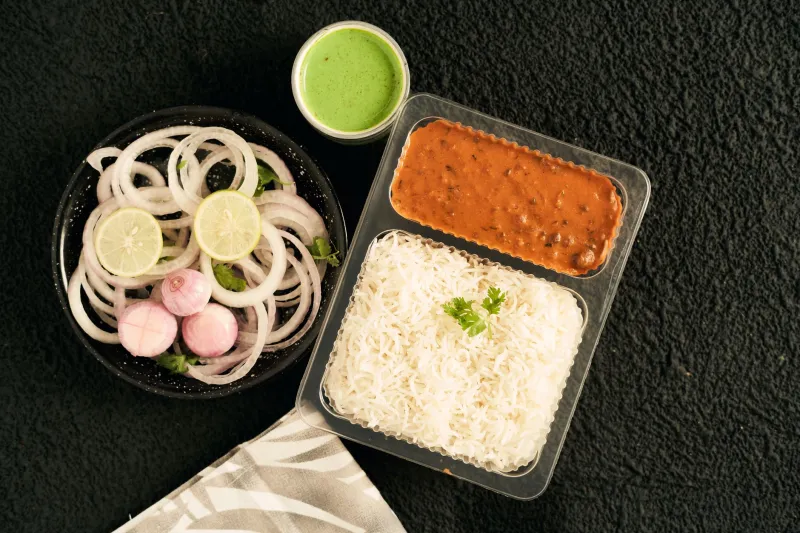
Midweek is when you want something satisfying and hearty. This is your North Indian moment. Dal makhani — slow-simmered black lentils in a rich, buttery tomato sauce — is one of the most deeply comforting things you can eat on a Tuesday night. Pair it with basmati rice or a couple of rotis.
If you want to add protein, palak paneer (spinach with fresh Indian cheese) is a classic that holds up beautifully as a leftover for Wednesday lunch.
Why it works: High protein, complex carbs, serious comfort factor. The kind of meal that makes working from home worth it.
Wednesday: Street Food Wednesday
Midweek slumps are real. Wednesday is the day to inject some fun into your food choices. Indian street food is chaotic, bold, and unapologetically flavorful — exactly what you need when the week feels long.
Chaat is the category to explore here: pani puri, bhel puri, or pav bhaji (a spiced vegetable mash served with buttered bread rolls). These dishes are layered with contrasting textures and flavors — crunchy, tangy, spicy, sweet — in a way that wakes up your palate and makes eating feel like an event again.
Why it works: High sensory engagement, lighter calorie load, completely different flavor profile from the rest of the week.
Thursday: West Indian Exploration
Thursday is a good day to try something outside your comfort zone. Gujarati and Maharashtrian cuisines are underrepresented in most American Indian restaurant experiences, which makes them perfect for breaking monotony.
Try a Gujarati thali if it's available — a sampler plate that includes multiple small dishes, rice, dal, and bread. Or go for a Maharashtrian-style misal pav (sprouted lentil curry with bread). The flavor profiles here lean slightly sweeter and more complex than North Indian standards, and the variety within a single meal keeps things interesting.
Why it works: Built-in variety (a thali is literally multiple dishes), new flavor territory, high nutritional diversity.
Friday: Tandoor and Celebration Vibes
Friday is when you earned something indulgent. This is your tandoor day — the smoky, charred, deeply savory world of North Indian grilled food. Chicken tikka, tandoori lamb chops, seekh kebabs, or paneer tikka if you're vegetarian. Pair with a garlic naan and some mint chutney and call it a week.
The beauty of tandoor cooking is that it's high-heat and fast, which means the protein is lean despite tasting incredibly rich. You're treating yourself without actually derailing anything.
Why it works: High protein, celebratory feel, completely different cooking method and texture profile from earlier in the week.
Saturday: Slow and Regional — Go Bengali or Coastal
Weekends are for lingering over food. Saturday is the day to explore something more niche — Bengali cuisine, Kerala-style seafood curries, or Goan fish dishes if those are available. These cuisines use mustard oil, coconut milk, and distinct spice profiles that feel nothing like the rest of the week.
A Kerala fish curry with coconut milk and curry leaves over red rice is genuinely one of the most underrated meals in the entire Indian culinary canon. If seafood isn't your thing, a Bengali-style cholar dal (split chickpea dal with coconut) is equally distinctive.
Why it works: Omega-3s from seafood, completely different fat sources (coconut), and a flavor experience that feels special rather than routine.
Sunday: Reset with Khichdi or a Simple Dal
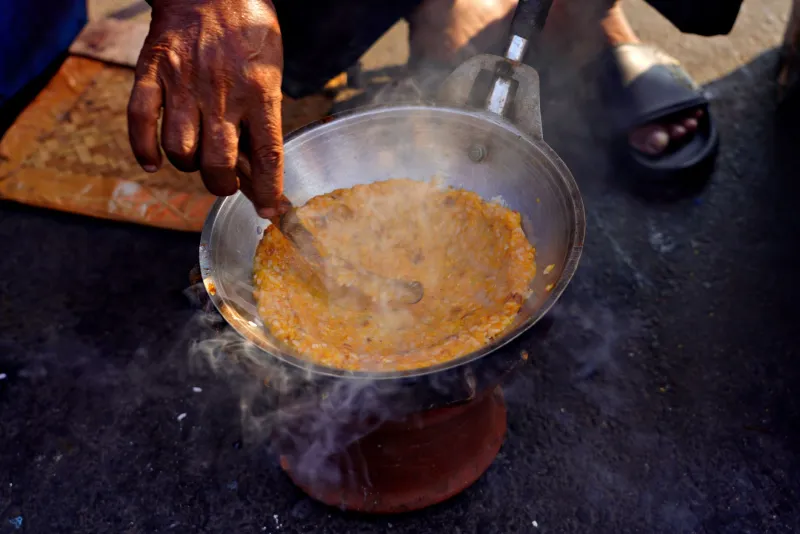
Sunday is reset day. After a week of varied, bold flavors, your body and your taste buds benefit from something gentle and grounding. Khichdi — the rice and lentil porridge that is essentially Ayurvedic comfort food — is the perfect Sunday meal. It's easy to digest, nourishing, and acts as a palate cleanser before the week starts again.
Alternatively, a simple moong dal with rice and a side of pickle is equally effective. Simple, satisfying, and a quiet reminder that sometimes the least complicated food is the most comforting.
Why it works: Digestive reset, low effort, sets a clean slate for Monday.
Making It Sustainable
The point of this rotation isn't to follow it perfectly every single week — it's to have a framework that prevents the default slide into repetitive, uninspiring eating. Some weeks you'll hit all seven days. Other weeks you'll mix and match.
What matters is the principle: India's regional diversity is a built-in meal planning tool. When you order from Taaze Express with this kind of intentionality, you're not just feeding yourself — you're actually looking forward to the next meal. And that, more than any macro ratio or calorie target, is what makes a food routine actually sustainable.
Flavor fatigue doesn't stand a chance.