Restaurant Magic vs. Home Cooking Reality: The Real Reason Indian Food Hits Different When Pros Make It
The Recipe Was Fine. So What Went Wrong?
You bought the spices. You watched the YouTube tutorial. You even found fresh curry leaves at that specialty grocery store forty minutes from your house. And yet — the dish came out tasting like a polite approximation of the thing you actually wanted.
This is one of the most common frustrations among home cooks who try their hand at Indian cuisine. The good news is that it has almost nothing to do with skill level. The difference between a flat, one-dimensional curry and one that makes you close your eyes and exhale slowly comes down to a few very specific factors — and most of them live inside a professional kitchen.
Here's a breakdown of exactly what separates the real thing from the home version, and why ordering from Taaze Express is honestly the smarter move on a Tuesday night.
Whole Spices vs. Pre-Ground: It's Not Even Close
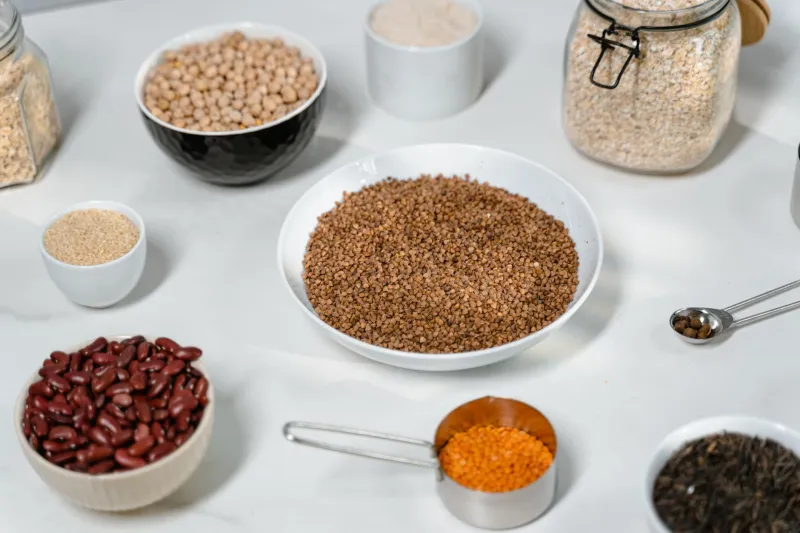
Walk into any serious Indian kitchen and you'll notice something right away: whole spices everywhere. Cumin seeds, black cardamom pods, cinnamon sticks, dried chilies. These aren't decorative. They're the foundation of flavor layering, and how you handle them makes an enormous difference.
The technique is called tempering, or tadka — heating whole spices in fat until they bloom and release their essential oils directly into the dish. This creates a depth of flavor that you simply cannot achieve by shaking pre-ground powder into a simmering pot. The blooming process unlocks fat-soluble aromatic compounds that otherwise stay locked inside the spice.
At home, most people use pre-ground spices from a jar that's been sitting in the pantry since last Thanksgiving. Even fresh ground spices lose potency within days of grinding. Professional kitchens grind in small batches, often daily, and the aromatic difference is immediately obvious the moment the masala hits the pan.
The Heat Problem No Home Stove Can Solve
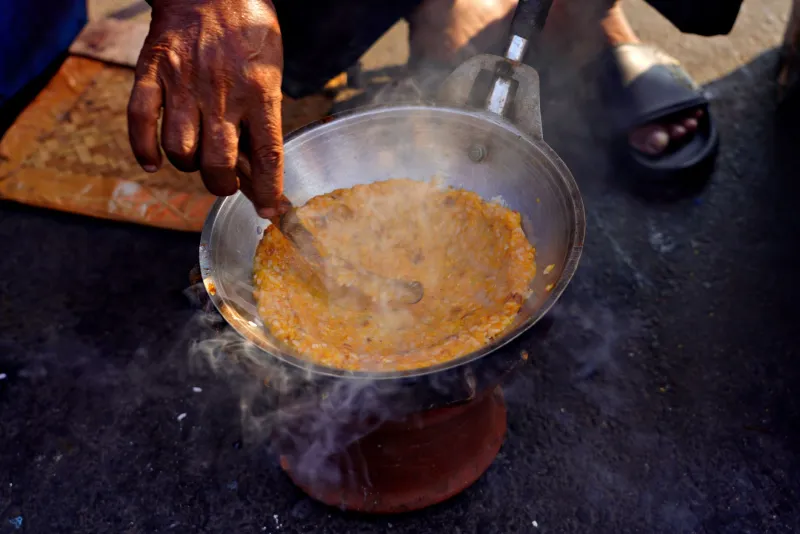
This one is a hard truth: your home range probably maxes out around 15,000 BTUs. A commercial burner? Anywhere from 30,000 to 150,000 BTUs. That's not a minor difference — that's a completely different cooking environment.
High heat does something magical to Indian food. It creates what chefs call the Maillard reaction at a much faster rate, browning onions and proteins in a way that builds complex, caramelized flavor. It also allows for bhunao — a constant stirring and scraping technique used to cook down masalas until the fat separates and the raw smell of spices disappears entirely. On a home stove, this process takes much longer and the results are noticeably different.
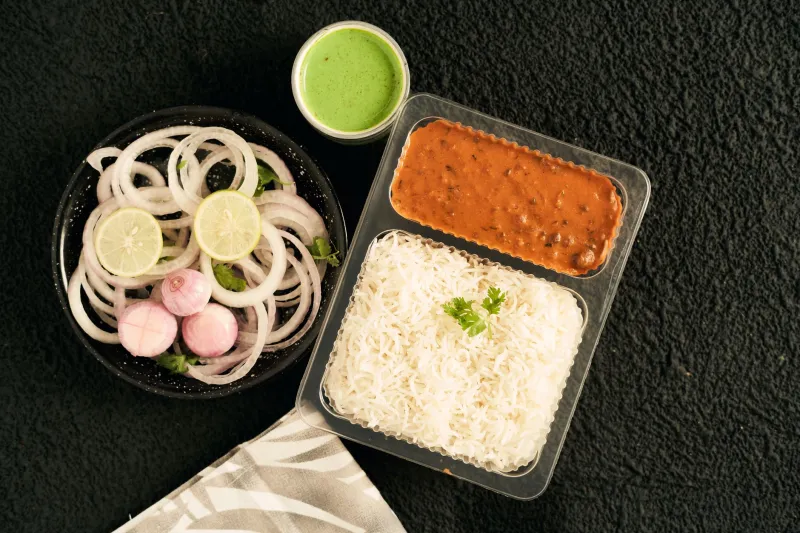
That smoky, slightly charred quality you taste in a great dal makhani or chicken tikka? That's commercial heat doing its thing. It's not a trick. It's physics.
Fresh Masala Blends Are a Different Animal
Buying a jar of garam masala at the grocery store is a perfectly reasonable thing to do. But it's worth understanding what you're getting: a standardized, shelf-stable blend designed to taste consistent over months. It's useful, but it's not what's going into the food at a kitchen that cares about authenticity.
Fresh-ground masalas are built from whole spices that are dry-roasted to order, then ground and combined in proportions that vary by dish, region, and even season. A Punjabi-style masala is different from a coastal one. The ratio of warming spices shifts depending on whether you're making a rich gravy or a dry preparation. This level of customization is what gives Indian food its incredible regional diversity — and it's genuinely difficult to replicate at home without a serious investment of time and ingredients.
At Taaze Express, the masala work happens before your order is even placed. That's the infrastructure behind every dish that lands at your door still tasting like it was made with intention.
Ghee, Oil, and the Fat Question
Fat is flavor's best friend, and Indian cooking uses it strategically. Ghee — clarified butter with a rich, nutty character — behaves differently than regular butter or neutral oil. It has a higher smoke point, which means it can handle the intense heat needed for proper tempering without burning. It also carries aromatic compounds in a way that adds another layer of richness to the finished dish.
Most home cooks either skip ghee entirely or use it sparingly because it feels indulgent. Professional kitchens use the right fat in the right amount for the right step — and that intentionality shows up in the final flavor profile in ways that are hard to articulate but easy to taste.
The Patience Factor (And Why You Shouldn't Have to Have It on a Weeknight)
A proper butter chicken involves multiple stages: marinating, charring, making a separate tomato-cream gravy, and then combining everything with careful timing. A well-made biryani requires layered cooking, steam-trapping, and precise timing across different components. These are not 30-minute meals, no matter what a recipe blog tells you.
The honest reality is that authentic Indian cooking rewards patience and practice. Building that skill set is genuinely rewarding — but it's also a significant time investment that most people juggling work, family, and everything else simply don't have on a random Wednesday.
That's not a failure. That's just life.
What This Means for Your Dinner Tonight
Understanding why professional Indian cooking tastes the way it does actually makes the ordering experience richer. When you get a Taaze Express delivery and notice that the dal has a slightly smoky depth, or that the curry has a complex, layered warmth that builds slowly — you now know exactly what went into making that happen.
You're not just getting convenience. You're getting the result of whole-spice tempering, commercial-grade heat, freshly ground masalas, and the kind of unhurried preparation that weeknights just don't allow for.
Save the home cooking experiments for a lazy Sunday when you actually have time to enjoy the process. Tonight, let the professionals handle it.