What Your Indian Food Order Says About You (According to Everyone at the Table)

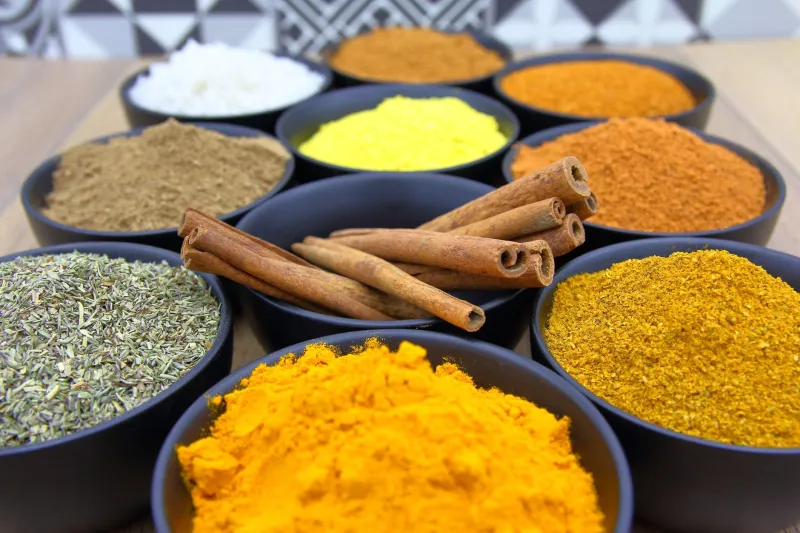
Photo by Photo by JESHOOTS.COM on Unsplash on Unsplash
The Group Order Is a Personality Test
It starts innocently enough. Someone suggests Indian food, the group agrees, and then the menus come out. What follows is approximately 15 minutes of social theater that reveals more about everyone's personality, cultural confidence, and desire for approval than most therapy sessions.
There's the person who immediately says "I'll just have whatever everyone else is having" — which means they definitely have opinions but don't want to be responsible for them. There's the one who orders the same thing they always order with the kind of focused certainty usually reserved for people defusing bombs. And then there's the person who starts reading the menu out loud, asking questions about dishes nobody else has heard of, and slowly making everyone else feel slightly underprepared for dinner.
This is the social currency of Indian takeout, and it is absolutely real.
The Butter Chicken Baseline
Let's start with the most ordered Indian dish in America, because it tells us a lot about how food confidence actually works in group settings.
Ordering butter chicken is not a character flaw. Butter chicken is genuinely delicious — rich, mildly spiced, deeply satisfying. But in a group of people who order Indian food regularly, defaulting to butter chicken every single time carries a specific social signal. It says: I know what I like and I'm not interested in being challenged right now.
That's a completely valid position! But it's also the culinary equivalent of ordering a Coors Light at a craft brewery. Nobody's going to say anything. But someone's going to notice.
The butter chicken loyalist is often someone who had a formative early experience with Indian food and is, consciously or not, chasing that memory every time. There's something genuinely sweet about that. There's also something slightly limiting about it, but we'll get to that.
The Adventurous Orderer and Their Many Faces
On the other end of the spectrum is the person who orders something nobody else at the table has heard of and then explains it to everyone with just slightly too much enthusiasm.
This person is not wrong to be excited. Discovering a Chettinad pepper chicken or a Goan vindalho (the actual Goan version, not the Americanized one) is genuinely exciting. But there's a version of adventurous ordering that's about the food, and a version that's about being seen ordering the food — and experienced Indian food eaters can tell the difference.
The truly adventurous orderer is curious, not performative. They ask questions, they share, and they're genuinely delighted when someone else at the table tries something new. They're not keeping score.
The performatively adventurous orderer announces their order like they're accepting an award. They use words like "authentic" a lot. They may or may not actually finish what they ordered.
Both types exist. Both are recognizable. Only one of them is fun to eat with.
Generational Fault Lines at the Table
Something interesting happens when you get multiple generations ordering Indian food together in the US. The dynamic is almost always the same, and it almost always catches people off guard.
Older Americans who grew up eating Indian food in the 80s and 90s — when the options were limited and the cuisine was still being introduced to mainstream palates — often have a reverence for the familiar. Saag paneer, lamb rogan josh, naan. These were the dishes that opened the door, and there's real affection attached to them.
Younger Americans, particularly those in cities with diverse food scenes, have grown up with a much wider frame of reference. They're more likely to know the difference between a South Indian dosa and a North Indian paratha, more likely to have opinions about regional variations, and more likely to be mildly baffled when someone at the table doesn't know what idli is.
This isn't generational superiority — it's just different exposure. But it creates these small, funny moments of mutual incomprehension at the table. The 55-year-old who thinks they're being adventurous by ordering lamb vindaloo. The 24-year-old who's quietly disappointed that the menu doesn't have anything from Nagaland.
Neither of them is wrong. Indian food contains multitudes.
The Spice Negotiation
Every group order eventually arrives at the spice level conversation, and this is where the social dynamics get genuinely interesting.
There's always one person who wants "extra spicy" — not because they necessarily need it, but because they want the table to know they can handle it. There's always one person who says "medium" but means "mild" and is too self-conscious to say so. And there's almost always someone who quietly orders their dish at a different spice level from everyone else and says nothing about it until the food arrives.
The thing nobody talks about is that spice tolerance is completely personal, not a measure of sophistication or cultural credibility. Ordering mild is not a failure. Ordering extra spicy and then dramatically reaching for your water glass every thirty seconds is not a flex. Just order what you actually enjoy, at the level where you can actually taste the food.
This is harder than it sounds when there are other people watching.
The Permission You Didn't Know You Needed
Here's the real point underneath all of this: a lot of people order Indian food based on what they think they should order, or what they think the table will approve of, rather than what they actually want.
That's a strange way to eat. And it leads to a lot of missed opportunities.
The person who's been quietly curious about dosas for two years but always defers to the group consensus and ends up with tikka masala again. The person who actually loves the milder, more aromatic dishes but orders something spicier because they don't want to seem unadventurous. The person who's never tried a South Indian thali because it looks complicated and they don't want to ask questions in front of everyone.
Ordering what you actually want — whether that's butter chicken for the hundredth time or something you've never tried before — is the whole point. The best thing about a delivery platform that carries real regional variety is that it gives you options without pressure. You can explore on your own terms, at your own pace, without an audience.
At Taaze Express, the menu is built for exactly this: people who want to order confidently, whether that means going deep on a familiar favorite or trying something that requires a two-sentence explanation. No judgment on the butter chicken. No extra credit for the adventurous order.
Just good food, delivered fast, to wherever you and your extremely opinionated friends happen to be sitting.
Order what you want. The table will survive.