Golden and Powerful: How Indian Cooking's Most Underrated Spices Are Quietly Solving America's Inflammation Problem
Somewhere between the third consecutive day of sad desk lunches and the moment your knees start aching after a long week of sitting, a lot of Americans are arriving at the same quiet realization: the food they're eating isn't doing them any favors. Processed convenience meals, sugar-loaded sauces, and low-fiber fast food have quietly become the default — and the body keeps the score.
What's interesting is that the solution has been sitting in Indian kitchens for thousands of years. And now, thanks to the growing reach of authentic Indian delivery services like Taaze Express, it's more accessible than ever.
Let's talk about what's actually going on inside that bowl of dal or that slow-simmered curry — and why your body might be craving it more than you realize.
The Inflammation Problem Nobody's Talking About Enough
Chronic low-grade inflammation is one of those health issues that doesn't announce itself dramatically. It shows up as persistent fatigue, brain fog, stiff joints after a long workday, or that general sense of feeling just a little off. Researchers have linked it to prolonged stress, poor diet, and sedentary lifestyles — which, let's be honest, describes a huge chunk of the American workforce right now.
The standard American diet, heavy on refined carbs and processed oils, tends to fuel that inflammatory cycle rather than break it. And while the wellness industry has responded with everything from cold plunges to $14 green juices, Indian cuisine has been quietly doing the real work without the marketing budget.
Turmeric: The One You've Already Heard Of (But Probably Underestimate)
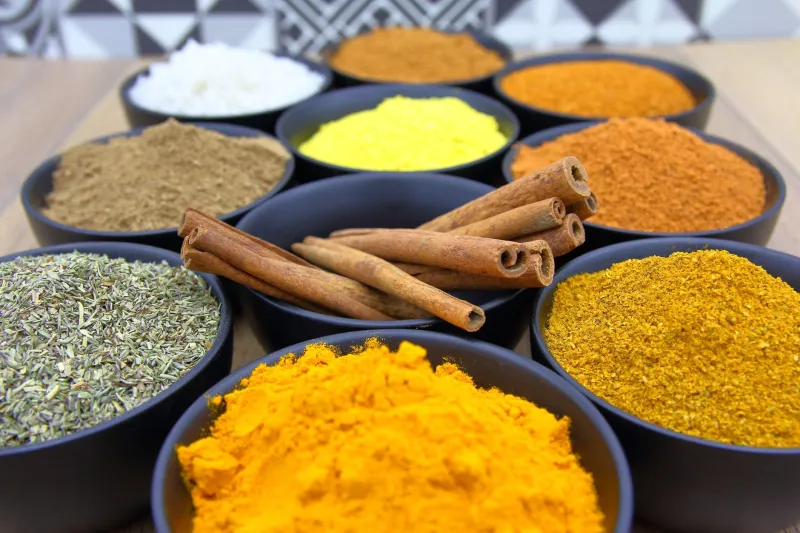
Yes, turmeric is having a moment. Golden lattes, supplement capsules, wellness influencers holding little glass jars of the stuff — it's everywhere. But here's the thing: the way turmeric works best isn't in a powder-dusted latte. It's the way Indian cooks have been using it for centuries — bloomed in oil or ghee, combined with black pepper, and layered into a dish with other complementary spices.
The active compound in turmeric, curcumin, has been studied extensively for its anti-inflammatory and antioxidant properties. The catch is bioavailability: your body doesn't absorb it particularly well on its own. But combine it with piperine — the compound found in black pepper — and absorption can increase dramatically. Indian cooking does this almost automatically. A proper curry base typically includes both, along with fat, which further enhances uptake.
When you order a dish like chana masala or a lentil-based dal from Taaze Express, you're not just getting a flavorful meal. You're getting turmeric prepared in the most bioavailable way possible, without having to think about it.
The Supporting Cast: Spices That Don't Get Enough Credit
Turmeric tends to steal the spotlight, but it's far from the only player in Indian cuisine's anti-inflammatory lineup.
Ginger is a regular presence in Indian cooking, and for good reason. It contains gingerols and shogaols — compounds with well-documented anti-inflammatory effects. Ginger is particularly useful for gut inflammation and has been shown to help with nausea, bloating, and digestive discomfort. If you've ever noticed that a good bowl of ginger-forward soup makes you feel weirdly better, there's real science behind that.
Cumin is another workhorse. It supports digestion, has antioxidant properties, and shows up in nearly every Indian dish worth ordering. The tempering process — where whole cumin seeds are added to hot oil at the start of cooking — releases aromatic compounds that do more than smell incredible. They activate the spice's beneficial properties in a way that grinding and sprinkling never quite achieves.
Fenugreek, used in everything from curries to spice blends, has shown promise in studies related to blood sugar regulation and inflammation. It's bitter on its own, but in the context of a well-balanced dish, it contributes depth of flavor and a meaningful nutritional punch.
Coriander — both the seeds and the fresh herb — rounds things out with its own antioxidant profile, while cardamom brings anti-inflammatory and antimicrobial properties to the dishes it inhabits.
Taken together, a single well-made Indian meal can deliver more functional anti-inflammatory compounds than most people get in an entire week of eating otherwise.
What Desk Workers and Chronic Dieters Are Actually Missing
Here's a pattern worth noticing. People who spend most of their day seated — whether they're in an office, working from home, or logging long hours at a screen — tend to experience elevated inflammatory markers. Combine that with the habit of grabbing whatever's fast and convenient at lunch, and the cycle compounds.
Chronic dieters face a different version of the same problem. Restrictive eating often means cutting out entire food groups, which can deprive the body of the fiber, healthy fats, and micronutrients that help regulate inflammation in the first place. The body interprets deprivation as stress, and stress feeds inflammation.
Indian food, eaten regularly and thoughtfully, addresses both issues. It's genuinely satisfying — the combination of legumes, whole spices, and slow-cooked proteins keeps hunger at bay for hours. And because the flavor is so complex and complete, it doesn't trigger the same cravings that bland diet food tends to leave behind.
Ordering Smart: Which Taaze Express Dishes Deliver the Most Benefit
Not all Indian dishes are created equal when it comes to anti-inflammatory impact. Here's a practical guide to what to reach for:
Dal (lentil soup or stew) is probably the single most efficient order you can make. High in fiber and plant-based protein, cooked with turmeric, cumin, and ginger, and often finished with a tempering of mustard seeds and garlic. It's humble-looking but genuinely powerful.
Chana masala — chickpeas in a spiced tomato-based sauce — is another standout. Chickpeas bring fiber and plant protein, while the masala base is loaded with the full anti-inflammatory spice lineup.
Saag paneer or saag dishes combine leafy greens with a spiced sauce, giving you both the benefits of the spices and the nutritional density of spinach or mustard greens.
Chicken or vegetable curries made with a proper masala base — rather than a cream-heavy sauce — hit the sweet spot between comfort food and functional eating.
For maximum benefit, pair any of these with brown rice or a whole wheat roti when available, and skip the fried appetizers on nights when you're eating with your health in mind.
The Bigger Picture
What's remarkable about Indian cuisine isn't that it was designed as health food. It wasn't — it was designed to taste extraordinary. The fact that it happens to be built on a foundation of some of the most studied anti-inflammatory compounds in nutritional science is almost incidental. Centuries of culinary tradition arrived at these combinations through instinct, culture, and refinement, long before anyone had a word for curcumin.
For Americans navigating a food landscape full of processed shortcuts and wellness gimmicks, that's genuinely good news. You don't need a supplement stack or a complicated meal plan. You need a reliable source of well-made Indian food — fresh, authentic, and delivered while it's still hot.
That's exactly what Taaze Express is here for. Order the dal. Add the chana masala. Let the spices do what they've always done.