Three Jars, Infinite Upgrades: The Sneaky Way to Make Delivery Taste Like You Cooked All Day
Here's a scenario that probably sounds familiar. Your food arrives — it smells incredible, it's still steaming, and you're genuinely excited. You dig in. It's good. Really good, actually. But something about eating it straight from the container feels like you're leaving a little magic on the table.
You're not wrong. And the fix costs about four dollars.
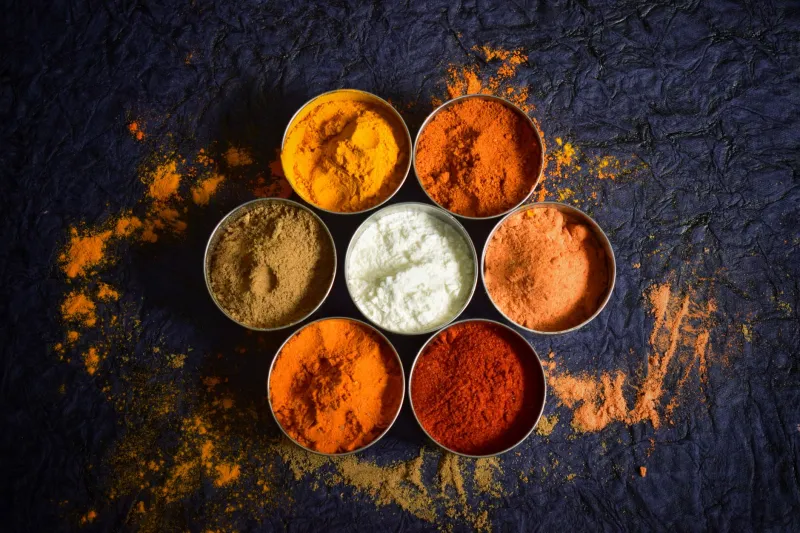
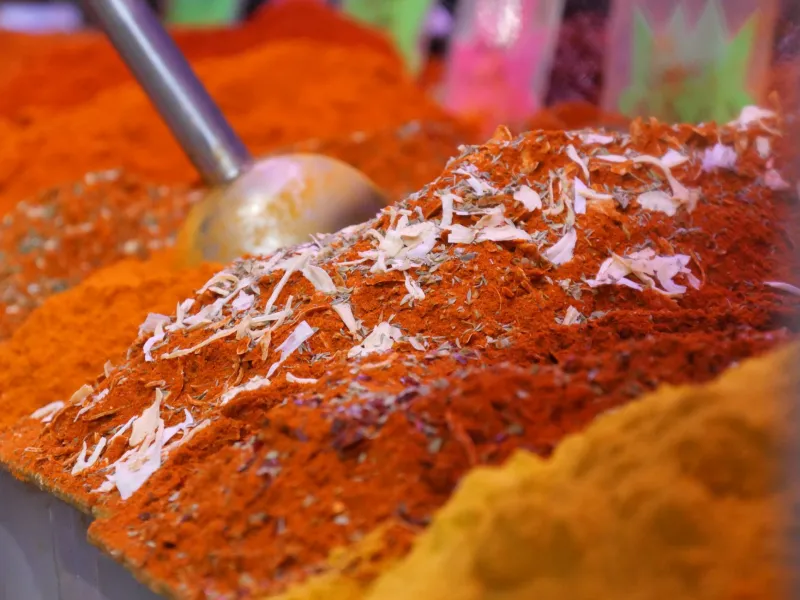
We're talking about three strategic spice jars. Not a full pantry overhaul. Not a weekend cooking project. Just three specific additions that, when used correctly, take a solid delivery order and push it somewhere noticeably better. The trick is knowing which jars to grab and when to use them.
Why Post-Delivery Finishing Works So Well
Indian cooking is built on layered flavor. Spices go in at different stages — some bloom in oil at the very start, some simmer into the sauce, and some get added at the very end specifically to preserve their brightness. That last category is where home finishers can do a lot of damage in the best possible way.
When a dish travels from a kitchen to your door, it keeps cooking slightly. Steam builds up. Some of the more volatile aromatics — the ones that hit your nose first — start to fade. This is totally normal, and it doesn't mean the food is worse. It just means there's a window where a small finishing touch can snap everything back into focus.
Think of it less like fixing something broken and more like adding a final brushstroke to a painting that's already 95% done.
Jar One: Chaat Masala (The Universal Brightener)
If you only ever buy one thing based on this article, make it chaat masala. This blend — typically a mix of dried mango powder (amchur), black salt, cumin, and a few other aromatics — does something almost unfair to food. It adds sourness, depth, and a faint savory funkiness all at once.
A small pinch over rice dishes, a light dusting on naan before your first bite, or a quick shake over roasted vegetable sides can completely reframe how a dish reads on your palate. It's especially effective on anything that's been sitting for more than ten minutes, because the slight acidity cuts through the richness that tends to deepen during transit.
Best used on: biryani, aloo-based dishes, samosas, chaat-style appetizers, and honestly any rice dish that needs a little lift.
Avoid on: anything cream-heavy like a butter chicken or korma, where the tang can clash with the sweetness.
Jar Two: Kasuri Methi (The Secret Restaurant Ingredient)
If you've ever wondered why restaurant curry tastes different from homemade — even when you follow the exact same recipe — kasuri methi is often part of the answer. These dried fenugreek leaves have a slightly bitter, herbaceous quality that reads as deeply savory and unmistakably professional once you know what you're tasting.
The move here is simple: crumble a small pinch between your palms and add it right before eating. Heating activates the flavor, so if you're reheating your order, add it in the last thirty seconds. The warmth of the dish does the rest.
Best used on: butter chicken, palak paneer, dal makhani, any creamy tomato-based curry.
Avoid on: lighter dishes like rasam or anything coconut-forward, where the bitterness can overpower the more delicate base.
Jar Three: Whole Cumin Seeds (The Texture Play)
This one requires about ninety seconds of actual effort, which we recognize is a lot to ask. But hear us out.
Take a small dry pan. Add a teaspoon of whole cumin seeds over medium heat. Shake the pan occasionally for about a minute until they smell toasty and start to darken slightly. Remove from heat. Done.
Those freshly toasted seeds, scattered over a dal, a raita, or a simple lentil dish, add a nutty crunch and a smoky warmth that no pre-ground spice can replicate. It's called a tarka or tadka — a finishing temper — and it's one of the most fundamental techniques in Indian cooking. You're not improvising here. You're doing exactly what professional cooks do.
Best used on: any dal, raita, plain rice, yogurt-based sides.
Avoid on: saucy dishes where the seeds will just sink and get lost.
Timing Is Everything
The when matters as much as the what. Here's a quick framework:
- Right when it arrives: Add chaat masala to anything that needs brightness. The food is at peak temperature and will absorb the flavor quickly.
- While reheating: Crumble in kasuri methi during the last thirty seconds in the microwave or on the stovetop.
- Right before eating: Scatter toasted cumin seeds over anything you want a textural contrast on. Add them too early and they'll soften.
Keeping all three jars near your delivery zone — near the table or wherever you usually eat — makes this a genuinely effortless habit rather than a project.
The Economics Are Absurd (In a Good Way)
A jar of chaat masala at most Indian grocery stores or on Amazon runs between three and five dollars and lasts for months. Kasuri methi is similarly priced. A bag of whole cumin seeds — enough to last an entire year of regular use — costs roughly the same as a cup of coffee.
For the price of one impulse add-on at checkout, you're essentially buying a flavor upgrade kit that works across dozens of meals. When you factor in how often you order, the cost per use becomes genuinely negligible.
A Note on Freshness
Spices degrade. This isn't a scare tactic — it's just chemistry. Ground spices lose potency faster than whole ones, which is one reason toasting whole cumin seeds beats shaking pre-ground cumin over your food. As a general rule, if a spice has been in your cabinet for more than a year without being used, it's probably time to replace it. A fresh jar of chaat masala will taste noticeably more vibrant than one that's been sitting since last Thanksgiving.
The Bigger Picture
None of this is about criticizing the food you're ordering. Taaze Express food is genuinely good on arrival — that's the whole point. This is about meeting a great meal halfway and making the experience feel a little more intentional, a little more personal.
Cooking culture in the US has shifted a lot. People want the convenience of delivery and the satisfaction of feeling like they had a hand in the meal. Three jars sitting on the counter is an absurdly low-effort way to get both. Try it once and see if you ever go back to eating straight from the container without reaching for one of them.