Why Some Indian Dishes Actually Get Better After a Night in the Fridge
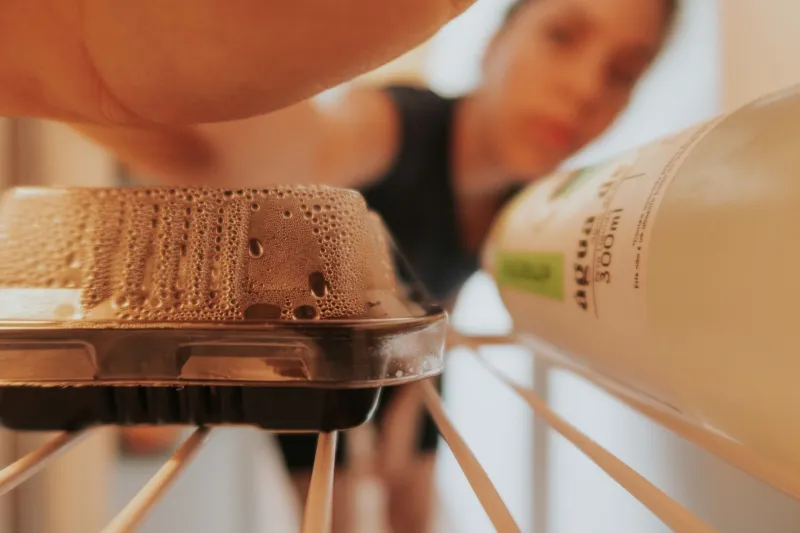
There's a moment most of us have experienced: you open the fridge the morning after an Indian food order, take a curious sniff, and suddenly the whole kitchen smells incredible. Way better than last night, honestly. You weren't imagining it. Something actually happened in there while you slept.
This isn't a fluke or a trick of hunger. Certain Indian dishes undergo a genuine flavor transformation overnight, and once you understand why, you'll start ordering with a totally different strategy in mind. Instead of hoping leftovers hold up, you'll be planning for them.
The Science Behind the Overnight Glow-Up
Here's the short version: spices need time. Whole and ground spices — cumin, coriander, turmeric, garam masala, cardamom — don't fully release their aromatic compounds the moment they hit a hot pan. They continue to bloom and mellow as they sit in a sauce or braising liquid, especially once that liquid cools and the fat starts to carry the flavors deeper into every ingredient.
This is called flavor melding, and it's the same reason a good chili tastes better on day two or why your grandma's soup always seemed richer when reheated. Indian food just happens to have a more complex spice profile than most cuisines, which means the payoff of that resting period is significantly more dramatic.
Acidity also plays a role. Tomato-based sauces and dishes with tamarind continue to mellow and balance overnight, softening any sharp edges that might have been noticeable right after cooking. What tasted slightly tangy or a little rough around the edges at 7 PM can taste remarkably smooth and cohesive by noon the next day.
The Dishes Worth Ordering Ahead
Not everything benefits equally from an overnight stay, so let's talk specifics.
Dal Makhani is arguably the king of next-day Indian food. This slow-cooked black lentil dish is already rich and deeply spiced when it first arrives, but give it eight hours in the fridge and it becomes something almost silky. The butter and cream integrate fully into the lentils, and the smoky undertones from the cooking process come through much more clearly. If you're ordering from Taaze Express on a Sunday, dal makhani is legitimately worth ordering in bulk.
Lamb Rogan Josh is another standout. The braised lamb soaks up the Kashmiri spice base — fennel, ginger, whole spices — as it rests, and the sauce thickens to a glossy, almost sticky consistency that coats the meat beautifully. Reheated slowly with a splash of water, this dish often outperforms its first-night version by a noticeable margin.
Chicken Tikka Masala holds up surprisingly well, especially if you refrigerate the chicken and sauce together rather than separately. The chicken continues to absorb the creamy tomato base overnight, making it more tender and more flavorful than it was fresh out of the container.
Chana Masala — the humble chickpea curry — is an absolute fridge warrior. Chickpeas are dense enough to take on spices slowly, and by the next day they've absorbed so much of the surrounding sauce that every bite carries the full flavor profile. It's also excellent cold, straight from the container, if you're the type who raids the fridge before the coffee is even ready.
Biryani deserves its own mention. A well-made biryani — the kind where the rice and protein are layered and slow-cooked together — actually benefits from resting because the moisture redistributes. Eat it fresh and the bottom layer might be slightly softer than the top. Eat it the next day and everything has evened out. The spiced rice also takes on a slightly firmer, more distinct texture after refrigeration, which many people prefer.
What Doesn't Travel as Well
Fairness requires acknowledging the other side. Some dishes are best enjoyed the moment they arrive, and ordering them with a leftover strategy in mind will only disappoint you.
Anything fried — samosas, pakoras, bhatura — loses its texture quickly and doesn't really come back. You can reheat them in an air fryer and get close, but they'll never recapture that initial crunch. Same goes for naan and roti, which are best eaten fresh and warm.
Dishes with delicate seafood, like certain coastal fish curries, don't hold as well due to texture changes in the protein. And raita, the yogurt-based condiment, is strictly a same-day situation.
How to Store It Right
The difference between good next-day Indian food and disappointing next-day Indian food often comes down to storage. A few simple habits make a real difference.
Transfer everything from the delivery containers into airtight containers as soon as you're done eating. The delivery packaging isn't designed for long-term storage, and exposure to air speeds up flavor loss. Keep rice and sauce-based dishes stored separately if you can — this prevents the rice from absorbing too much liquid and turning mushy.
When reheating, go low and slow. A covered skillet with a tiny splash of water over medium-low heat gives you better results than blasting it in the microwave on full power. If you're reheating something like dal or a curry, stir it occasionally and let it come up to temperature gently. The microwave works fine in a pinch, but cover the dish and use 60-70% power.
Turning This Into an Actual Strategy
Once you start thinking about leftovers as part of the plan rather than an afterthought, ordering from Taaze Express becomes a different kind of experience. You're not just feeding yourself tonight — you're setting yourself up for a genuinely great lunch tomorrow without any additional effort.
A practical approach: order one or two dishes specifically because they shine the next day (dal makhani, chana masala, a lamb curry), and pair them with something you'll enjoy fresh in the moment (fresh naan, a starter, a rice dish). You eat well tonight, and you eat really well tomorrow.
For anyone with a busy week ahead, this approach turns a single order into two or three satisfying meals with zero extra cooking. The fridge does the work. The spices do the rest.
Fresh Indian food delivered fast is the starting point. What happens overnight? That's where it gets interesting.