Hot, Fast, and Somehow Even Better: The Surprising Science Behind Quick Indian Food Delivery
There's a food myth that's been floating around American dining culture for decades: slower is better. Slow-cooked. Slow-simmered. Slow-served. The idea is that quality takes time, and anything rushed must be cutting corners somewhere.
With Indian food, though? That logic starts to fall apart pretty quickly—and the science behind why is genuinely fascinating.
The Flavor Window Nobody Talks About
Every dish has what chefs sometimes call a "peak window"—that narrow stretch of time after cooking when the flavors are most alive, the textures are ideal, and the aromatics are doing exactly what they're supposed to do. Miss that window and you're eating a decent approximation of the dish, not the dish itself.
For Indian cuisine, that window is surprisingly short—and surprisingly early.
Here's why: Indian cooking layers fat-soluble flavor compounds (the ones that live in spices like cumin, coriander, and turmeric) with water-soluble aromatics (from onions, ginger, garlic, and tomatoes). When a dish is freshly finished, those two flavor worlds are coexisting in a kind of delicious tension. The fat carries the deep, warm spice notes. The water carries the bright, sharp aromatics. Together, they create that unmistakable complexity that makes a great curry taste like it has actual depth.
But let that dish sit under a heat lamp for 45 minutes in a slow-service restaurant? The water evaporates, the aromatics flatten, and the fat-soluble compounds start to dull. What you get is heavier, muddier, and noticeably less vibrant than what came out of that pan 20 minutes earlier.
Why Indian Dishes Are Especially Time-Sensitive
Not all cuisines are equally vulnerable to this. A pizza might hold reasonably well for 30 minutes. A burger? Less so, but the flavors are simpler, so the degradation is less dramatic. Indian food, with its sheer number of active ingredients, has more moving parts that can go sideways.
Take dal—one of the most beloved staples in Indian cooking. A well-made dal is silky, aromatic, and has a brightness from the final tempering of mustard seeds, dried chilies, and curry leaves hitting hot ghee. That tempering step, called a tadka, is almost always done last, right before serving. It's intentionally designed to be fresh. Let it sit too long and the tadka's crispness fades, the curry leaves wilt into the liquid, and that sharp pop of flavor softens into something generic.
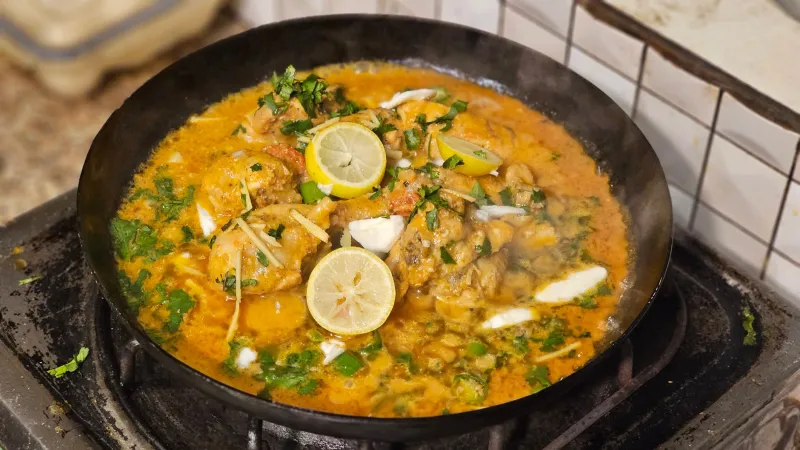
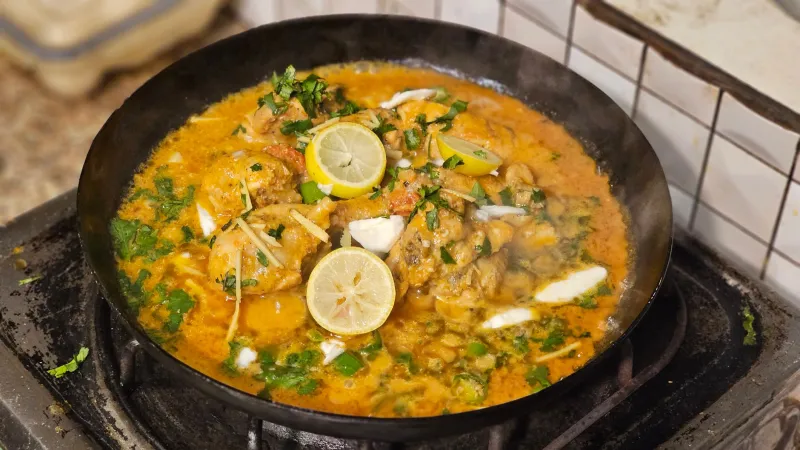
Or consider butter chicken—arguably the most ordered Indian dish in the US. The tomato-cream base is emulsified, meaning the fat and liquid are held together in a specific balance. Heat it slowly for too long, or let it rest in a warming tray, and that emulsion can break. The cream separates slightly, the texture turns grainy, and the dish loses the velvety quality that makes it special.
Naan and roti are arguably the most time-critical of all. Fresh off a tandoor or a cast iron pan, they're pliable, slightly charred, and steamy. Ten minutes in a closed container and they're either rubbery or stiff. Twenty minutes and you're basically eating a spiced frisbee.
The Sit-Down Restaurant Paradox
Here's where the conventional wisdom really breaks down. Most people assume that eating at a sit-down Indian restaurant means getting the freshest, highest-quality version of a dish. And in theory, that should be true. But the reality of how full-service restaurants operate complicates things.
Busy restaurants batch-cook. They have to. A kitchen handling 200 covers on a Friday night isn't making your dal to order—they're ladling from a pot that's been holding since 5 PM. By the time your food reaches the table, it may have been sitting in that pot for an hour or more. Add the time it takes to be seated, order, and wait for service, and the gap between "cooked" and "eaten" is often longer at a sit-down spot than with a fast delivery model.
Fast delivery, done right, flips this equation. When a kitchen is optimized for speed and volume, dishes are cooked in smaller, more frequent batches. The goal is to get the food into a container and out the door before that flavor window closes. There's no holding tray, no warming lamp, no waiting for a server to swing by your table.
Temperature and the Ride Over
One more piece of the puzzle: temperature during transit.
Indian food is generally resilient to the temperature drop that happens during a delivery run—more so than, say, a soufflé or a medium-rare steak. The spices act as a kind of flavor buffer. A curry that arrives at 140°F instead of 165°F isn't a ruined curry—it's still warm, still fragrant, and if the delivery was fast enough, still well within that peak flavor window.
The key variable is speed. A 15-minute delivery preserves far more of the dish's integrity than a 45-minute one. The aromatics haven't fully dissipated. The textures haven't had time to soften into each other. The tadka is still doing its thing.
This is exactly why the delivery model at Taaze Express is built around getting food to you fast—not just as a convenience feature, but as a genuine quality decision. Freshness isn't only about ingredients. It's about timing.
What This Means for What You Order
If you're ordering Indian food for delivery, a few practical takeaways:
- Order dal and curry-based dishes with confidence. They're designed to be saucy, which helps retain heat and moisture during transit.
- Ask for bread separately if possible. Naan and roti travel better when they're not trapped under steam from a hot curry container.
- Eat sooner rather than later. Don't let your delivery sit on the counter while you finish a show. The flavor window is real, and it's ticking.
- Trust the spice. If your dish arrives intensely aromatic when you open the container, that's a good sign. You're catching it at the right moment.
Speed Isn't a Compromise—It's the Point
The Indian food paradox is this: the cuisine that looks the most complex, the most labor-intensive, the most time-consuming to prepare, is also the cuisine that benefits most from being eaten quickly after cooking. The layers of flavor that take hours to build in the kitchen can start unraveling within the hour if the dish just sits around waiting.
Quick delivery isn't a shortcut. When it's done right, it's the whole game.
Next time your order arrives and you're tempted to wait until you've set the table perfectly or finished folding laundry—don't. Open the container, take a breath of that fresh-spiced steam, and eat it while it's still exactly what it was meant to be.