Cracking the Code: How Indian Restaurants Actually Set Their Spice Levels (And How to Order Exactly What You Want)
You've been there. You order medium at your neighborhood Indian spot, and it's perfectly pleasant — warm, a little tingly, totally manageable. Then you try medium at a place across town and spend the next ten minutes reaching for your water glass. Same word, wildly different results. What gives?
The truth is, "spice level" at Indian restaurants isn't a universal standard. It's more like a dialect — every kitchen speaks its own version of it. And once you understand how the system actually works, ordering becomes a whole lot less of a gamble.
Why "Medium" Means Something Different Everywhere
Here's the thing most diners don't realize: Indian restaurants in the US are largely calibrating their heat levels to a moving target — the average American palate. The problem is, that target shifts depending on the neighborhood, the customer base, and honestly, the chef's own philosophy.
A restaurant in a suburban strip mall catering mostly to non-South Asian customers might set their "hot" at what a restaurant in a heavily desi neighborhood considers "mild." Neither is wrong. They're just speaking to different rooms.
Chefs also factor in something more psychological than culinary: they don't want you to have a bad time. If a first-time customer orders medium and ends up miserable, they're not coming back. So many kitchens quietly dial things down across the board, especially for delivery orders where they can't read your face at the table.
The Insider Adjustment Game
Here's what's actually happening in the kitchen when you place your order. Most Indian restaurants work from a base gravy or masala that's been made in a large batch — consistent, well-spiced, and designed to be the backbone of multiple dishes. When a server or delivery app notes your spice preference, the cook adjusts at the finishing stage.
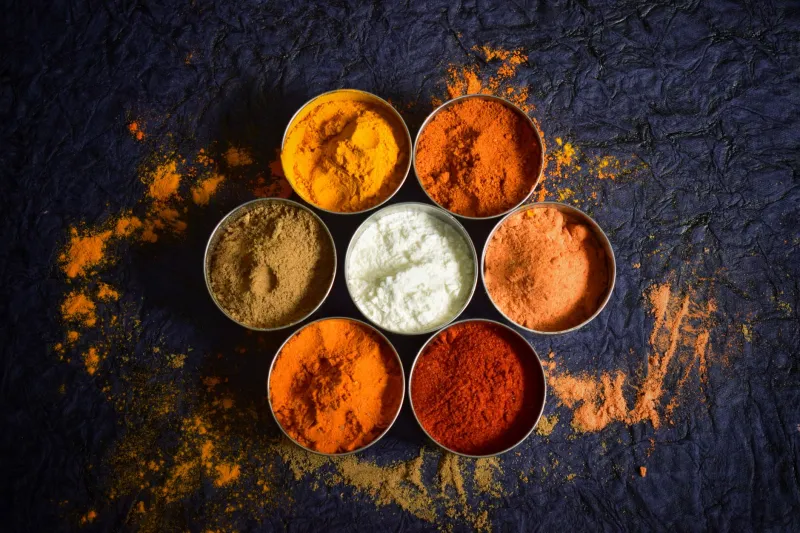
That adjustment usually involves one of three things: adding fresh green chilies or dried red chili powder for more heat, increasing the amount of base sauce (which dilutes intensity), or swapping out one type of chili for another. Kashmiri red chili, for example, gives dishes that gorgeous deep red color with relatively mild heat. Guntur chilies from Andhra Pradesh? That's a completely different story.
Some chefs will tell you the real secret: they're not just adjusting heat, they're adjusting flavor. Turning up the spice on a dish doesn't just make it hotter — it changes the whole profile. A good kitchen knows how to add heat without losing the complexity underneath.
A Quick Tour of Regional Spice Profiles
India isn't one cuisine — it's dozens of regional traditions with totally different relationships to heat. Knowing where a dish comes from gives you a major clue about what to expect.
North Indian (think butter chicken, dal makhani, most of what you see on mainstream menus): Generally the mildest of the major regional styles. Heavy on cream, butter, and aromatic spices like cardamom, cinnamon, and cloves. Heat is present but not the star of the show.
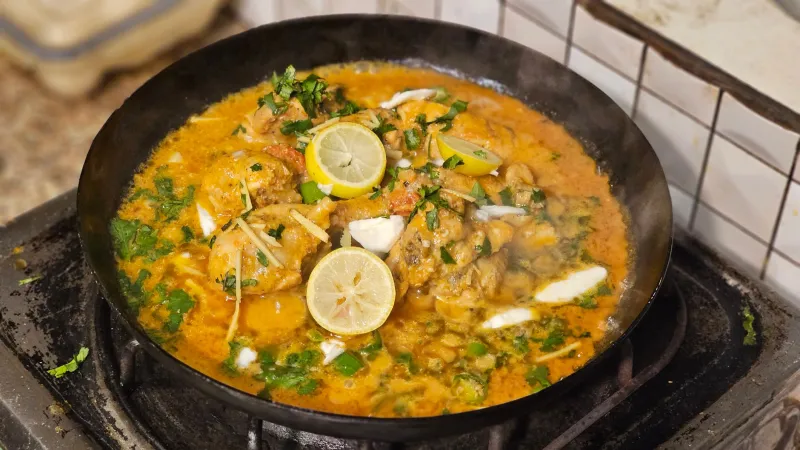
South Indian (sambar, rasam, Chettinad curries): This is where things get serious. Tamil Nadu and Andhra Pradesh in particular have a deep love affair with heat. Chettinad cuisine is often cited as one of the spiciest culinary traditions on the planet. If a restaurant serves regional South Indian food and you order hot, believe them.
Goan: A coastal cuisine heavily influenced by Portuguese colonization. Uses vinegar, coconut, and a distinct dried chili called Kashmiri or Byadagi. Vindaloo originated here — and the restaurant version you get in the US is almost always toned way down from the original.
Punjabi: Bold, rich, and deeply savory. The heat tends to come from ginger and green chilies rather than dried chili powder. More warming than fiery.
Bengali: Surprisingly mild for many dishes, with a preference for mustard oil, panch phoron (a five-spice blend), and subtle heat. Some dishes lean sweet.
How to Actually Decode a Menu
Okay, so now that you know the landscape, here's a practical playbook for ordering your way to exactly the heat level you want.
Ask about the base, not just the level. Instead of "can I get that medium?", try asking "what does medium feel like here?" or "is your medium closer to warm or actually spicy?" Any good server will appreciate the question and give you a real answer.
Look for regional clues. If the menu features dishes from Andhra Pradesh or Chettinad, recalibrate your expectations upward. If it's primarily North Indian, medium is probably genuinely medium.
Order the chili on the side when possible. Some restaurants will bring fresh green chilies or a chili oil on request. This is the best of all worlds — you control the heat at the table, bite by bite.
Pay attention to the dish itself. Some dishes are structurally spicier than others regardless of what you order. Vindaloo, jalfrezi, and any dish described as "dry" (as opposed to a saucy curry) tend to carry more concentrated heat. Korma, pasanda, and anything with "butter" in the name are your safer bets if you're heat-sensitive.
Be specific when ordering delivery. Apps like the one behind Taaze Express often have a spice selector, but the scale varies by restaurant. If you're ordering from a new spot, start one level below what you think you want. You can always add heat at home with a pinch of cayenne or a drizzle of hot sauce. You can't take it away.
The Confidence Move
The best thing you can do as a regular Indian food eater is build a relationship with the restaurants you love. Once a kitchen knows you — knows you actually want it hot, or that you have a low tolerance for heat but love complex flavor — they'll adjust for you without you even having to ask.
And if you're ordering from somewhere new? Just be honest. Say something like, "I love Indian food but I'm not sure how your spice levels compare to other places I've tried." That's not a weird ask. That's a customer who wants to enjoy their meal, and any restaurant worth its salt (and its chili) will respect that.
The spice hierarchy in Indian cooking is real, layered, and honestly fascinating once you start paying attention. It's not about how much heat you can handle as a badge of honor — it's about finding the level where the flavors open up and every bite makes sense. That's where the good stuff lives.