Ditch the 2 PM Coffee: How Indian Spices Keep Your Energy Steady All Day Long
The 2 PM Wall Is Real — But It Doesn't Have to Be
You know the feeling. Lunch is done, the meeting calendar is stacked, and somewhere around 2:30 your brain starts sending out distress signals. The coffee cup gets refilled. Maybe a second time. And then, around 5 PM, you're somehow more exhausted than before you drank it.
This isn't a willpower problem. It's a fuel problem. And a lot of Americans are solving it with the wrong tool.
Here's something worth considering: the food that's been powering people through long days in one of the world's most productive and physically demanding cultures — Indian cuisine — is built on a completely different energy logic than the caffeine-and-sugar cycle most of us are stuck in. And once you understand how it works, your afternoon is never quite the same.
Why Caffeine Is a Borrowed Buzz
Coffee doesn't actually give you energy. What it does is block adenosine, the compound your brain uses to signal tiredness. So the fatigue doesn't disappear — it just gets delayed, with interest. When the caffeine wears off, adenosine floods back in, and you feel that familiar crash harder than if you'd never had the cup in the first place.
Add a sugary lunch into the mix — a sandwich on white bread, a bag of chips, a soda — and you've also got a blood sugar spike followed by a sharp drop. Your body burns through simple carbs fast, insulin surges, and energy tanks. That 2 PM wall isn't a coincidence. It's a predictable outcome of how most Americans eat.
The fix isn't more caffeine. It's a different kind of fuel.
The Architecture of an Indian Meal
Traditional Indian cooking wasn't designed around convenience or speed — it was designed around sustaining people through physically demanding days. Farmers, craftsmen, laborers, and families needed food that would hold them for hours. The result is a cuisine built on slow-releasing energy sources that work with your body's metabolism rather than hijacking it.
Let's break it down:
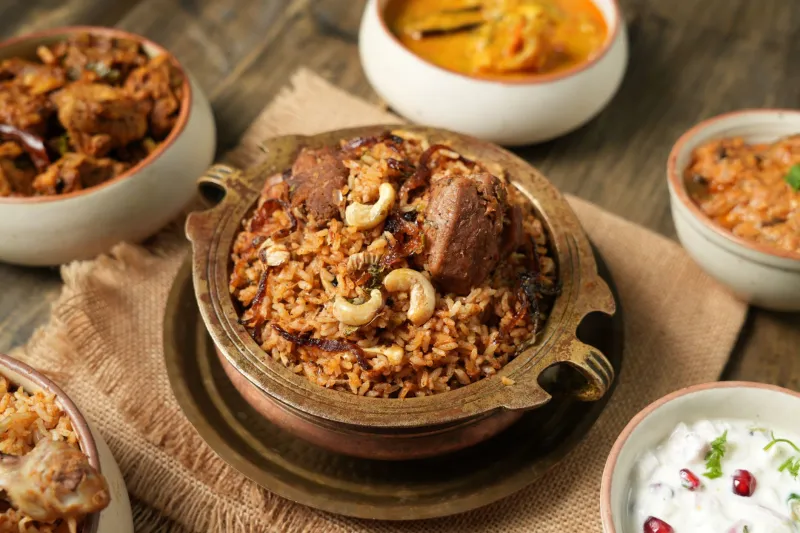
Complex carbohydrates form the base of most Indian meals — lentils, chickpeas, basmati rice, whole wheat roti. These digest slowly, releasing glucose into your bloodstream at a steady, manageable pace. No spike, no crash. Just a consistent supply of fuel your brain and muscles can actually use.
Plant-based and lean proteins — dal, paneer, chicken tikka, grilled meats — slow digestion even further and help maintain satiety. When protein is part of a meal, your body takes longer to process everything, which means the energy release is spread out over a longer window. You stay full, and you stay focused.
Healthy fats from ingredients like ghee, coconut, and nuts don't just add richness to dishes — they're a slow-burning fuel source that supports brain function and keeps hunger at bay far longer than fat-free alternatives ever could.
Put all three together and you have a meal that doesn't just taste good. It's engineered to keep you going.
The Spice Factor: Where Things Get Really Interesting
Here's where Indian food pulls ahead of basically every other cuisine when it comes to energy management — the spice cabinet.
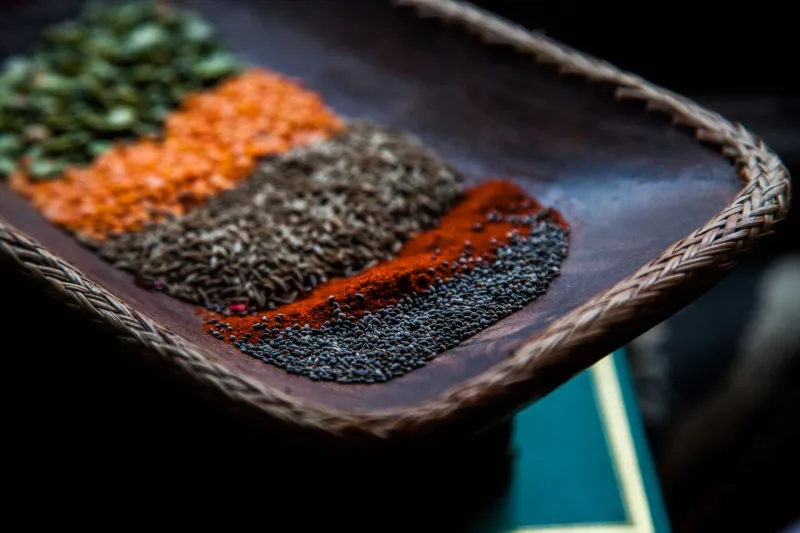
Turmeric, cumin, coriander, black pepper, ginger, cinnamon, cardamom. These aren't just flavor agents. Each one has documented effects on how your body processes food and manages energy.
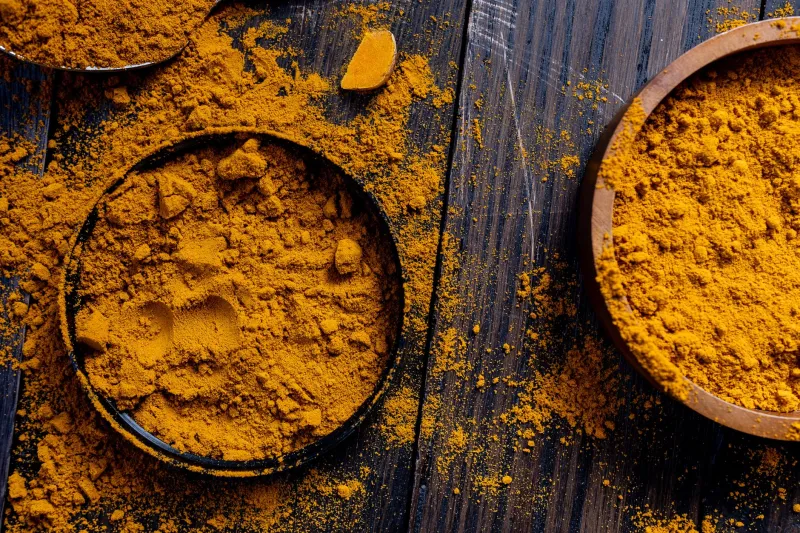
Turmeric contains curcumin, which has been shown to reduce inflammation — a major but often overlooked contributor to fatigue. Chronic low-grade inflammation saps your energy over time, and anti-inflammatory foods are one of the most effective natural ways to address it.
Cumin supports digestive enzyme activity, which means your body actually absorbs nutrients more efficiently. Better absorption equals better fuel utilization. You're not just eating well — you're using what you eat.
Ginger has thermogenic properties, meaning it gently raises your metabolic rate. It also improves circulation, which helps deliver oxygen and nutrients to your cells more effectively. That warm feeling after a ginger-heavy dish isn't just comfort — it's your metabolism waking up.
Cinnamon is particularly interesting for energy stability. Research consistently shows it helps regulate blood sugar by improving insulin sensitivity. A pinch of cinnamon in your chai or a cinnamon-spiced biryani isn't just delicious — it's actively smoothing out the blood sugar curve that causes crashes.
Black pepper contains piperine, which enhances the bioavailability of other nutrients — including the curcumin in turmeric. It's essentially a multiplier, making everything else in the dish work harder.
No single spice is a magic bullet. But in combination, as they appear in a well-made Indian dish, they create a compounding effect on metabolism, digestion, and energy stability that's genuinely hard to replicate anywhere else.
What This Looks Like in Practice
Say it's 11:30 AM and you're placing a lunch order. Instead of the usual burrito or sandwich, you go with a dal makhani, a side of basmati rice, and some whole wheat naan. Maybe a glass of masala chai instead of your second coffee.
The lentils give you plant protein and complex carbs. The ghee adds healthy fat. The spice blend — cumin, ginger, tomato, coriander — is working on your digestion and blood sugar in the background. The chai gives you a mild caffeine lift (about a third of what's in coffee) softened by the natural blood sugar regulation of cinnamon and the anti-inflammatory effect of ginger.
By 2 PM, you're not fighting the wall. You're still in the game.
Or consider a post-workout order of chicken tikka masala with brown rice. The lean protein supports muscle recovery, the complex carbs replenish glycogen stores, and the spice blend keeps inflammation from slowing your recovery. It's a better post-gym meal than most protein shakes, and it actually tastes like something you'd want to eat.
Fresh Food, Real Energy
One caveat worth mentioning: the energy benefits of Indian food depend heavily on quality. Dishes made with fresh ingredients, whole spices, and real cooking techniques deliver everything described above. Heavily processed versions — the kind sitting under a heat lamp for hours — lose much of their nutritional value and can actually work against you.
This is where ordering from a place that prioritizes freshness genuinely matters. When your dal is made to order and your spices are whole and freshly ground, you're getting the full picture. When it's been sitting in a steam tray since morning, you're getting a pale imitation.
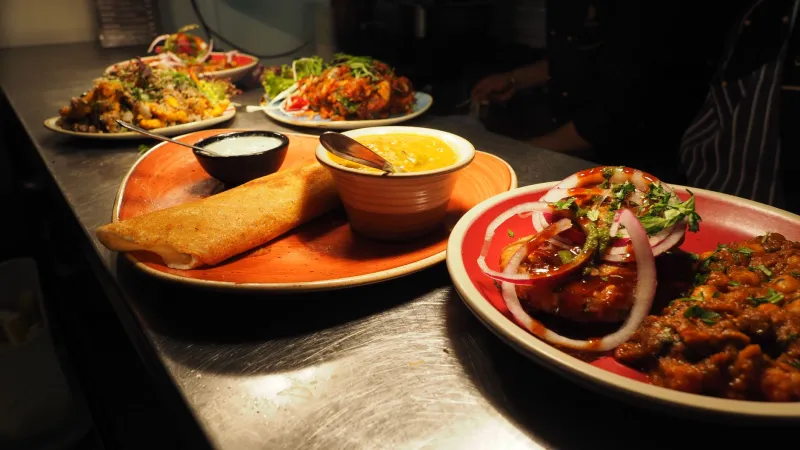
At Taaze Express, the whole point is that fresh and fast aren't opposites. You can have a meal that's ready quickly and still built the way it's supposed to be — with real ingredients, real spices, and the kind of flavor that tells you something was actually cooked, not just reheated.
The Smarter Afternoon
You don't have to give up coffee entirely. But if you're relying on it to prop up an energy system that keeps collapsing, the better move is to fix the foundation — and that starts with lunch.
Indian food isn't trendy wellness food. It's one of the oldest and most sophisticated food traditions on the planet, built by people who needed to stay energized and nourished through demanding days. The fact that it happens to align perfectly with modern nutritional science isn't a coincidence. It's just good cooking, doing what good cooking has always done.
Your 2 PM wall isn't inevitable. It's just a menu problem.