Your Body Has a Clock — Here's How to Order Indian Food Around It
Most of us pick up our phones and order food based on one simple signal: we're hungry. But your body is running a far more complex operation behind the scenes. There's a whole internal scheduling system — your circadian rhythm — quietly managing everything from hormone production to stomach acid levels to how sharply your taste buds are firing at any given hour. And if you're ordering Indian food without thinking about any of that, you might be leaving a lot of flavor and comfort on the table.
Let's break down what's actually happening in your body throughout the day, and how to sync your Taaze Express orders with those windows for the best possible experience.
Why Noon Isn't the Magic Hour You Think It Is
Lunch feels like the obvious time to eat a big meal. You've been up for hours, you're hungry, and a solid midday break seems like the right moment to go in on something satisfying. But here's the thing — noon is actually a transitional moment for your digestive system, not a peak one.
Your metabolism ramps up through the morning and hits its stride closer to mid-afternoon. Stomach acid production, enzyme activity, and gut motility are all still climbing at noon. That means heavier dishes — think lamb rogan josh, rich dal makhani, or a full biryani — may sit a little heavier than you'd expect at lunchtime, even if you feel fine in the moment.
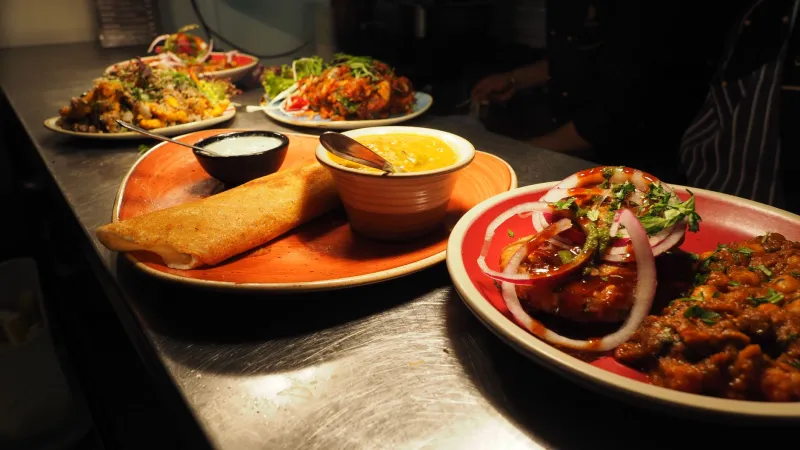
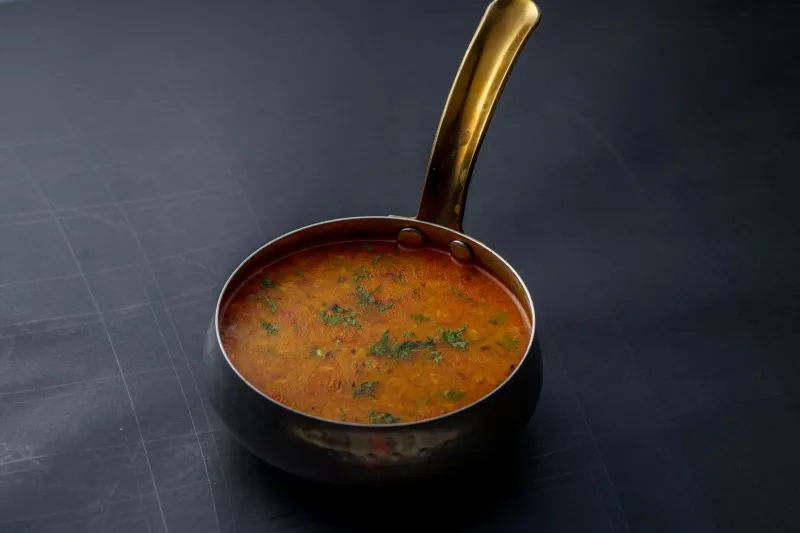
Lighter Indian dishes actually shine at lunch. A dosa with sambar, a bowl of rasam, or a simple chicken tikka wrap tends to work beautifully in the midday window. These are dishes with brightness, acidity, and moderate fat — they move through your system efficiently and give you sustained energy without the 2 PM crash.
The 6 PM Window: When Everything Clicks
Here's where things get interesting. Research into circadian biology consistently shows that the body's digestive peak — the window where enzyme output, metabolic rate, and even sensory perception are all running hot — lands somewhere between 5 and 7 PM for most people on a conventional schedule.
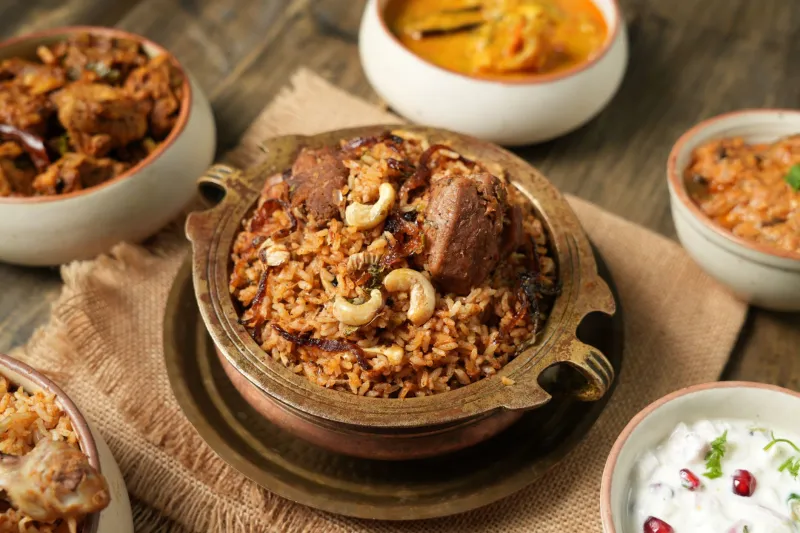
Your taste buds are genuinely more sensitive in the early evening. The olfactory system, which does most of the heavy lifting when it comes to perceiving complex flavors, is sharper. That means the layered spice profile of a good biryani — cardamom, saffron, caramelized onion, whole cloves — lands with more depth at 6 PM than it does at noon. The heat in a vindaloo feels more nuanced. The richness of a butter chicken reads as satisfying rather than overwhelming.
This isn't just food writer romance. Sensory science has documented diurnal variation in taste sensitivity, with late afternoon and early evening consistently showing elevated flavor perception compared to midday. When you're eating food as intentionally spiced as Indian cuisine, that difference is real and noticeable.
From a digestion standpoint, 6 PM is also when your body is still warm and active enough to process a full, complex meal efficiently. You're not fighting the metabolic slowdown that kicks in later in the evening, but you've moved past the transitional zone of early afternoon. It's genuinely the sweet spot.
Matching Dishes to the Clock
Not every Indian dish is built for the same moment. Here's a loose framework for thinking about timing:
Morning (if you're into it): Idli, upma, or a light poha-style dish. These are traditional South Indian and Western Indian breakfast foods for good reason — they're gentle on the stomach, easy to digest, and give you clean energy. If your local spot offers them, early morning is exactly when they belong.
Midday (11 AM – 1 PM): Dosas, chaat, grilled tandoori items, or lighter rice dishes like lemon rice or a simple dal with roti. You want brightness and moderate substance here, not heavy cream sauces or deep-fried starters as a main event.
Mid-Afternoon (2 – 4 PM): This is actually a solid window for snack-style ordering — samosas, pakoras, a small chaat plate. Your digestion is running efficiently, your blood sugar may need a nudge, and something with crunch and spice hits differently than a bag of chips.
Early Evening (5 – 7 PM): Prime time. This is when you want the full experience — biryani, butter chicken, lamb curry, paneer dishes, dal makhani with garlic naan. Your body is primed to handle complexity, your palate is at its sharpest, and you've got the rest of the evening for a slow, comfortable digest.
Late Night (8 PM and beyond): Keep it simple. Your metabolism is winding down, core body temperature is dropping in preparation for sleep, and your digestive system is starting to slow. A light dal, a small portion of rice, or something broth-forward like a rasam is going to serve you far better than a heavy curry. If you want the full meal, eat earlier and let your body do its job.
The Spice Timing Factor
One thing that doesn't get talked about enough is how your tolerance for heat and bold spice fluctuates throughout the day. Most people find that spicy food feels more intense later in the evening — partly because you may be tired, partly because your body's stress hormone cortisol (which has a mild protective effect on digestion) is lower at night.
If you love spice but find that a late-night vindaloo leaves you uncomfortable, try shifting that order to the early evening window instead. Same dish, same heat level, noticeably different experience. Your gut will thank you, and you'll actually taste more of what makes the dish great rather than just registering the burn.
A Small Shift, A Big Difference
None of this requires a spreadsheet or a radical lifestyle overhaul. It's just about paying a little attention to what your body is actually set up to do at different points in the day. Indian cuisine, with its remarkable range of dishes from light and bright to rich and slow-cooked, maps beautifully onto those natural windows.
At Taaze Express, the goal has always been fresh, fast, and genuinely satisfying — and part of that satisfaction is knowing you ordered the right thing at the right moment. Try shifting your next biryani order to that early evening sweet spot and see what you notice. Chances are, it's going to taste exactly like it should.