Glow From the Inside Out: The Indian Dishes Doing More for Your Skin Than Any Serum on Your Shelf
Let's be honest. Most of us have spent an embarrassing amount of money on eye creams, vitamin C serums, and gua sha tools that live on our bathroom counter looking expensive and vaguely optimistic. And yet, dermatologists keep circling back to the same inconvenient truth: what you put in your body matters more than what you slather on top of it.
Here's the thing nobody's marketing to you hard enough — Indian cuisine has been doing "skin food" for thousands of years, long before collagen peptides became a wellness influencer staple. The spices, cooking methods, and ingredient combinations that make your favorite Indian dishes taste incredible? They're also working overtime on your complexion.
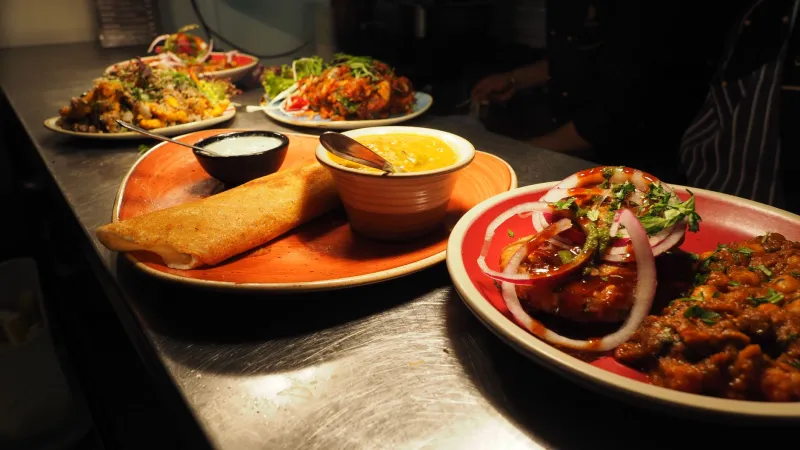
We talked to a few experts and dug into the research. What we found might make you look at your Taaze Express order very differently.
Turmeric: The Ingredient Your Dermatologist Actually Knows About
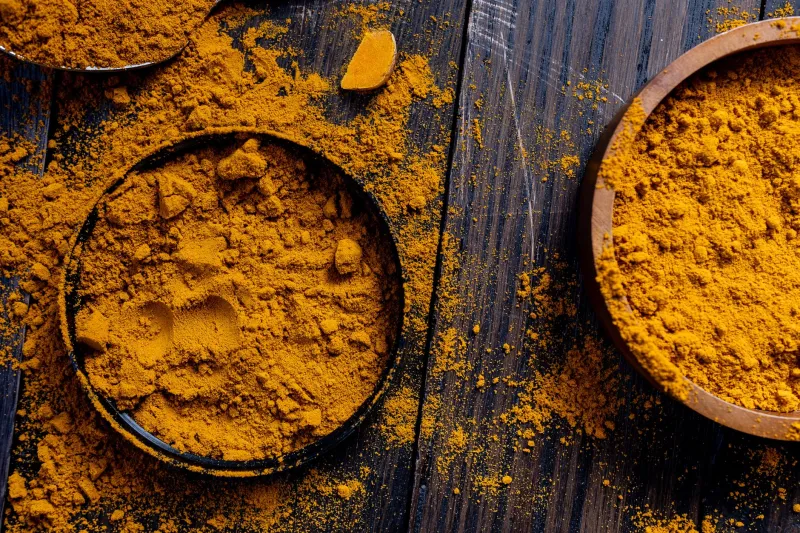
If you've spent any time in wellness circles, you've heard about turmeric. But there's a big difference between shaking some golden powder into a latte and consuming it the way it's traditionally used in Indian cooking — cooked into dishes alongside black pepper and fat, both of which dramatically increase how much curcumin (turmeric's active compound) your body actually absorbs.
Dr. Priya Nair, a board-certified dermatologist based in Chicago who incorporates nutritional guidance into her practice, puts it plainly: "Curcumin is one of the most studied natural anti-inflammatories we have. Chronic low-grade inflammation is behind acne, premature aging, dullness, and a lot of conditions people are trying to treat topically. Addressing it systemically, through diet, is genuinely effective."
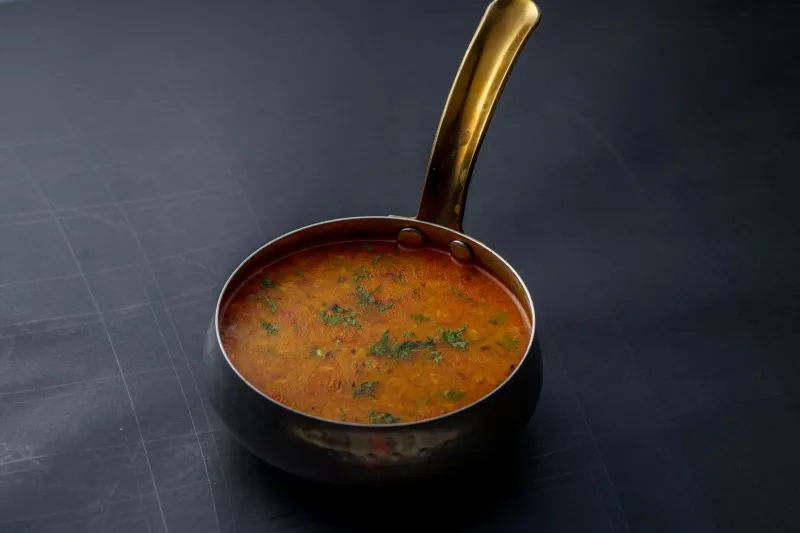
In traditional Indian cooking, turmeric shows up in dals, curries, rice dishes, and even in marinades for proteins. When it's cooked properly — bloomed in oil or ghee alongside other spices — bioavailability goes way up compared to the raw powder in your smoothie.
Ginger and the Gut-Skin Connection
Your skin and your digestive system are in constant conversation, and ginger is one of the better translators. It's a staple in Indian cooking, appearing in everything from masalas to chai to slow-cooked kormas, and its benefits for digestion are well-documented.
But here's the skin angle: poor gut health is increasingly linked to conditions like acne, eczema, and rosacea. When your digestive system is sluggish or inflamed, it shows up on your face. Ginger helps move things along, reduces gut inflammation, and supports the microbiome — which, in turn, supports clearer, calmer skin.
Ayurvedic practitioner Meena Iyer, who runs a wellness practice in Austin, Texas, explains it through a lens her clients find relatable: "In Ayurveda, we say that ama — undigested toxins — accumulates when digestion is weak, and it eventually surfaces through the skin. Ginger is one of the first things we use to clear that. It's not a trend; it's foundational."
Ordering a dish with a ginger-forward base, like a well-made ginger chicken or a traditional dal tadka, is essentially a digestive reset in a takeout container.
Asafetida: The Underrated Spice Doing Quiet Work
Asafetida — called hing in Hindi — is the ingredient Indian home cooks reach for almost automatically, even if it's rarely on the radar of people new to the cuisine. It has a pungent, sulfurous smell on its own, but when it hits hot oil in a pan, it transforms into something savory and almost onion-like.
More importantly for your skin: hing is a potent anti-inflammatory and has been used in Ayurvedic medicine specifically for its ability to support liver function and improve digestion. Since the liver is one of the body's primary detox organs — and a sluggish liver often means dull, congested skin — keeping it happy matters.
It's a supporting player in many lentil dishes and vegetable preparations. You won't taste it distinctly, but it's there, doing its thing.
Ghee: Don't Be Afraid of the Fat
We spent a long time being scared of fat, and our skin paid for it. The kind of healthy fats found in ghee — clarified butter used extensively in Indian cooking — are essential for maintaining the skin's lipid barrier, the protective layer that keeps moisture in and irritants out.
Ghee is also rich in fat-soluble vitamins A, D, E, and K. Vitamin A, in particular, is the precursor to retinol — yes, the same active ingredient people spend a fortune on in their nighttime skincare routines. Getting it through food means your body can regulate how much it uses, which is gentler and more sustainable than topical application.
Dishes cooked with ghee — think dal makhani, certain biryanis, or ghee-finished rotis — deliver these benefits in a form your body recognizes and uses efficiently.
How to Order From Taaze Express With Your Skin in Mind
None of this requires a nutritionist consult or a total diet overhaul. It's more about leaning into the right dishes when you're placing your next order. Here's a practical guide:
For anti-inflammatory support: Go for dishes with turmeric-heavy bases. Dal tadka, chana masala, and most traditional curries will have turmeric cooked in from the start. Pair with a black pepper-seasoned side if available — that combination is basically a bioavailability hack.
For gut health and digestion: Ginger-forward dishes like ginger chicken, saag (spinach-based curries), or any dish described as having a "fresh ginger" base are your friends. A cup of masala chai after your meal isn't just comforting — the ginger and cardamom in it are actively helping your digestion.
For healthy fats: Look for dishes that mention ghee in the description, or order a side of dal makhani, which is traditionally finished with a generous pour of it. If you're ordering bread, a ghee-brushed roti is a simple win.
For overall skin clarity: Lentil-based dishes — dal in any form — are high in zinc and folate, both of which support skin cell turnover and help keep breakouts in check. They're also among the most affordable options on most menus, so there's really no excuse.
The Bigger Picture
None of this is to say you should throw out your moisturizer. But it is worth recognizing that a cuisine built around spices, legumes, fresh vegetables, and slow-cooked complexity has been quietly delivering skin benefits for generations — without a single clinical trial or influencer partnership.
When Meena Iyer's clients start incorporating more traditional Indian food into their weekly routine, she says the skin changes are often among the first things they notice. "They come back and say they thought it was their new face wash. I always tell them to look at what they've been eating."
Your next Taaze Express order might just be the most effective thing in your skincare routine. And it definitely tastes better than a serum.