The Quiet Food Revolution Happening Inside America's Tech Offices
A few years ago, Marcus Chen was surviving on energy drinks and whatever the vending machine near the engineering floor had left by 3 p.m. He was a junior developer at a mid-size SaaS company in the Bay Area, pulling long hours, skipping lunches, and treating caffeine as a food group. "I was functional," he says now, laughing a little. "But like, barely. My brain would just kind of go offline around 2 in the afternoon and I'd spend an hour pretending to work."
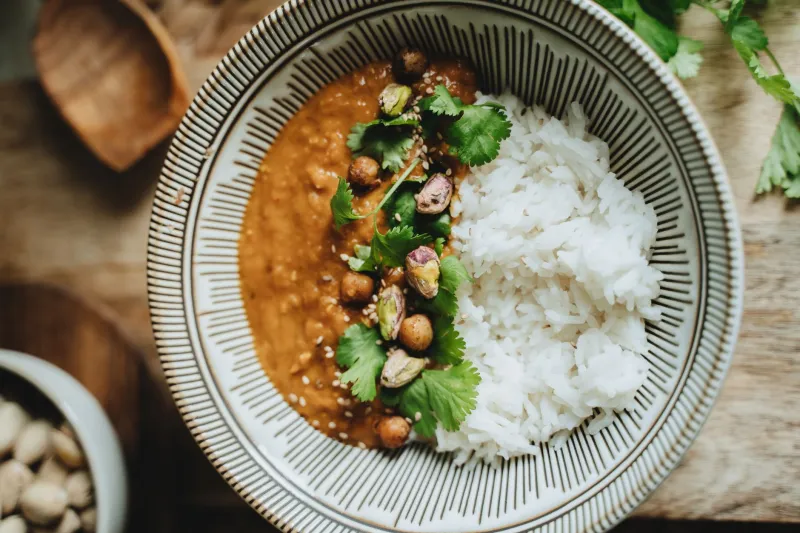
The shift came, almost accidentally, when a colleague started ordering Indian food for the team on late-deadline nights. Saag paneer, chana masala, a couple of orders of dal. Marcus ate more than he intended to and noticed something strange: he kept working. Clearly. For hours.
"I thought I was imagining it at first," he says. "But it kept happening. Every time we ordered Indian food instead of pizza or burritos, the whole team just seemed... sharper after dinner."
Marcus isn't alone in noticing this. Across tech hubs in San Francisco, Austin, Seattle, and New York, Indian food has quietly become the preferred fuel of a certain kind of ambitious professional — and nutritionists who work with high-performance clients are not remotely surprised.
The Dorm Room Pipeline
For a lot of professionals now in their late 20s and 30s, the relationship with Indian food started in college, often through proximity to international students or a good Indian restaurant near campus that was open late and didn't cost much. Dal and rice for six dollars. A samosa for a dollar fifty. Filling, warming, and somehow more sustaining than the dining hall's pasta bar.
That early exposure planted a seed. As those students moved into demanding careers and started paying more attention to how food affected their performance, Indian cuisine kept showing up as the answer to a question they were asking: what can I eat that will actually keep me going?
The dorm room pipeline to professional wellness isn't just anecdote. Food delivery data consistently shows Indian cuisine outperforming other categories in urban tech corridors during weeknight dinner hours — the 7 to 10 p.m. window when engineers, designers, and product managers are still at their desks.
What Nutritionists Are Actually Saying
Dr. Priya Nair, a registered dietitian who works with clients in the tech and finance sectors in San Jose, has watched this trend develop with some satisfaction. "My clients come in having tried everything," she says. "Keto, intermittent fasting, those expensive meal prep boxes with the portion-controlled everything. And a lot of them have already figured out on their own that Indian food makes them feel better. I'm usually just explaining why."
The why, she explains, comes down to a few intersecting factors.
First, the spice combinations in traditional Indian cooking aren't decorative. Turmeric contains curcumin, which has well-documented anti-inflammatory properties. Black pepper, almost always present, increases curcumin absorption significantly. Ginger supports digestion and has been shown to reduce oxidative stress. Fenugreek, common in many regional dishes, helps regulate blood glucose response. "These aren't supplements someone added to a dish," Dr. Nair points out. "They're the dish. They've been part of the cooking for generations because they work."
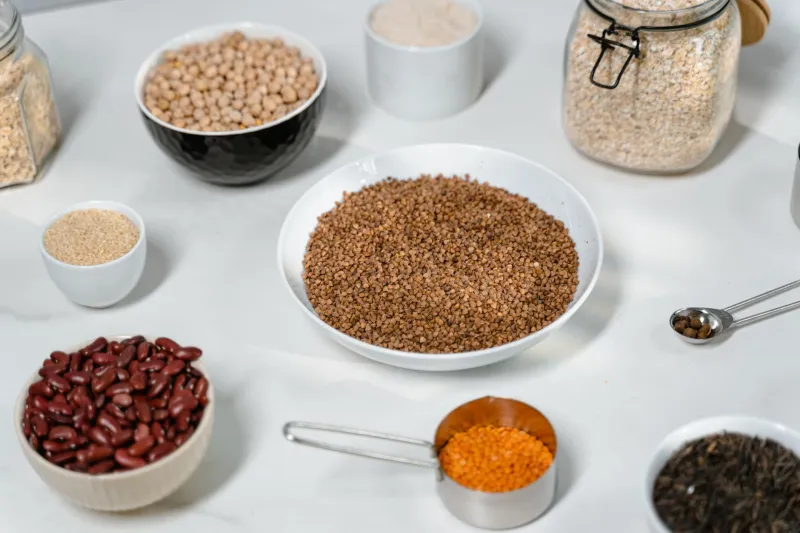
Second — and this is the part that gets overlooked in conversations about trendy diets — most traditional Indian meals are built around a balance of macronutrients that happens to align almost perfectly with sustained energy needs. Lentils and legumes provide slow-digesting complex carbohydrates alongside meaningful protein. Whole spices support metabolic function. A small amount of healthy fat from ghee or oil helps with satiety. "It's not a hack," Dr. Nair says. "It's just really well-designed food."
The Expensive Meal Prep Defection
Jasmine Rodriguez, a product manager at a healthcare tech startup in Austin, spent two years subscribed to one of the premium meal prep services — the kind that ships pre-portioned ingredients and glossy recipe cards. She was spending close to $200 a month and eating food she described as "technically nutritious but kind of joyless."
She started ordering from a local Indian restaurant on nights when she was too tired to cook her meal kit, and within a few weeks had done the math. "Same money, better food, and I actually wanted to eat it," she says. "The meal kit stuff was like eating fuel. The Indian food felt like eating a meal."
The distinction matters more than it might seem. Nutritionists consistently note that meal satisfaction — actually enjoying what you eat — affects how your body processes food and how long you stay full. Eating something you find genuinely pleasurable triggers different hormonal responses than eating something you're consuming out of obligation. For professionals who are already dealing with high cognitive load, food that also feels like a reward rather than a chore has compounding benefits.
Jasmine now orders through Taaze Express several nights a week. Her standing order is chana masala with brown rice and a side of raita. "My 2 p.m. crash basically disappeared," she says. "I don't know if it's the chickpeas or the spices or just that I'm actually eating a real lunch now, but something changed."
The Silicon Valley Signal
What's interesting about the Indian food moment in professional wellness isn't just that it's happening — it's that it's happening quietly, without the marketing apparatus that surrounds most food trends. Nobody is selling "ancient spice protocols" as a biohacking supplement. There are no influencer-driven detox programs built around dal. The shift is driven by people who tried it, felt better, and kept doing it.
That's actually the strongest possible signal. In an industry full of people who are paid to think skeptically and optimize ruthlessly, Indian food has earned its place on the desk not through branding but through results.
What This Means for How You Order
If you're looking to use Indian food as genuine fuel rather than just a satisfying dinner, a few things are worth knowing. Lentil-based dishes — dal makhani, chana masala, rajma — provide the slowest-burning energy because of their high fiber and protein content. Dishes built around paneer offer a solid protein hit without the heaviness of meat. Rice-based meals are better timed around active periods; if you're eating at your desk at 8 p.m. and heading to bed, roti or a lighter grain option will serve you better.
And when you're ordering for a deadline night — the kind where you need your brain to work for another four hours — skip the naan-heavy, cream-heavy comfort orders and go for something with legumes, vegetables, and spice. Your 2 a.m. self will thank you.
At Taaze Express, that kind of meal is exactly what we're built around: fresh, fast, and made with the spice combinations that have been fueling sharp minds for a very long time.