Ancient Wisdom Meets Modern Gains: Why Indian Food Is the Recovery Meal Athletes Have Been Missing
You just crushed a workout. Maybe it was a 6 a.m. run, a heavy lifting session, or a brutal HIIT class. Whatever it was, your muscles are screaming, your glycogen stores are depleted, and your body is in full repair mode. The standard American answer? A protein shake, maybe a chicken breast with brown rice, or — if you're really pressed for time — a sad granola bar from the gym's vending machine.
But what if the best recovery meal in the world has been sitting in an entirely different culinary tradition? One that's been fine-tuned over 5,000 years?
Ayurveda — the ancient Indian system of medicine and wellness — was never designed with CrossFit in mind. But its core principles map onto modern sports nutrition in ways that are genuinely hard to ignore. And the everyday dishes that come out of that tradition? They're doing things your protein shake simply can't.
What Ayurveda Actually Says About Recovery (In Plain English)
Ayurveda operates around the idea that the body has three fundamental energies, called doshas: Vata (movement and nervous system function), Pitta (metabolism and transformation), and Kapha (structure and stability). After intense physical activity, Vata goes into overdrive — you're depleted, your joints ache, and your nervous system is fatigued. Pitta spikes too, generating internal heat and inflammation.
The Ayurvedic fix? Grounding, warming, easily digestible foods that calm Vata and cool Pitta simultaneously. Foods that are moist, nourishing, and gently spiced. Sound like anything you've ordered lately?
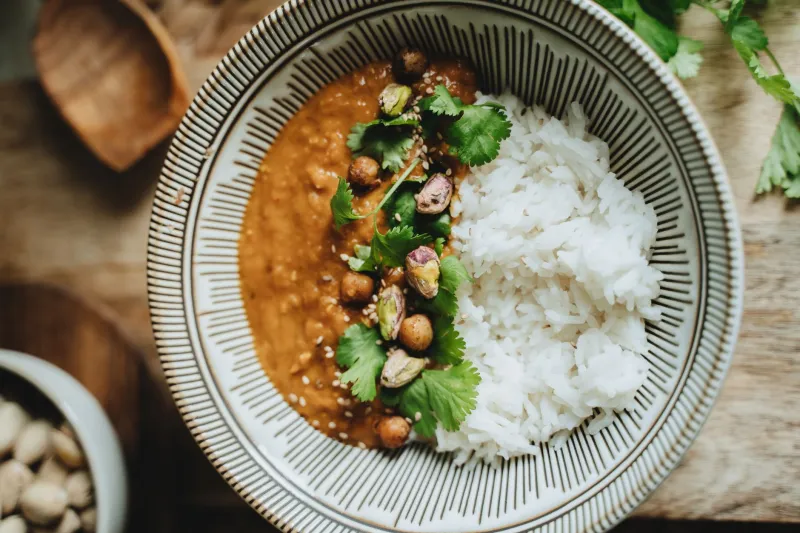
Spoiler: it sounds exactly like a bowl of khichdi, a comforting dal over basmati rice, or a turmeric-laced curry with slow-cooked lentils.
Khichdi: The Original Recovery Bowl
If Ayurveda had a mascot dish, it would be khichdi — a simple combination of rice and split mung dal cooked together until they're soft, cohesive, and deeply comforting. It's been used in Indian households for centuries as a healing food, given to people recovering from illness, digestive stress, or physical exhaustion.
From a sports nutrition standpoint, khichdi is almost suspiciously well-designed:
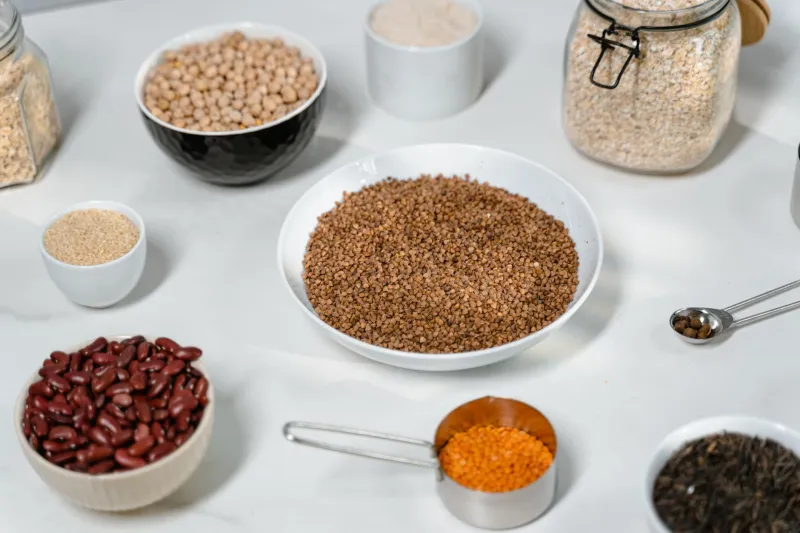
- Complete amino acid profile: Combining rice and lentils creates a complete protein, hitting all the essential amino acids your muscles need to rebuild.
- Fast-absorbing carbohydrates: The softness of the dish means your gut doesn't have to work hard — carbs get into your bloodstream quickly to replenish glycogen.
- Easy on digestion: Post-workout, blood flow is diverted away from your digestive system. Khichdi's simplicity means your body can process it without the digestive strain that comes from a heavy steak or a fiber-loaded salad.
It's the kind of meal a registered dietitian would design if they were also an Ayurvedic practitioner. Which, increasingly, some of them are.
The Spice Cabinet Is Actually a Pharmacy
Here's where Indian food gets a serious edge over typical recovery meals: the spices.
Turmeric contains curcumin, one of the most studied anti-inflammatory compounds in the world. Multiple peer-reviewed studies have shown curcumin reduces delayed onset muscle soreness (DOMS) and supports faster recovery after resistance training. Most Indian curries — whether you're ordering a chana masala or a simple dal tadka — contain turmeric as a baseline ingredient.
Ginger, another staple in Indian cooking, has demonstrated similar anti-inflammatory properties and has been shown in research to reduce exercise-induced muscle pain. Cumin supports iron absorption, critical for endurance athletes. Black pepper contains piperine, which dramatically increases the bioavailability of curcumin — meaning the two spices that commonly appear together in Indian food are actually designed to work together.
This isn't coincidence. Ayurveda figured out synergistic spice combinations long before clinical trials existed.
Dal and Rice: The Macro Ratio That Sports Dietitians Actually Recommend
The general post-workout nutrition guideline from sports science is a 3:1 or 4:1 ratio of carbohydrates to protein, consumed within 30 to 60 minutes after exercise. This ratio maximizes glycogen resynthesis while providing enough protein for muscle protein synthesis.
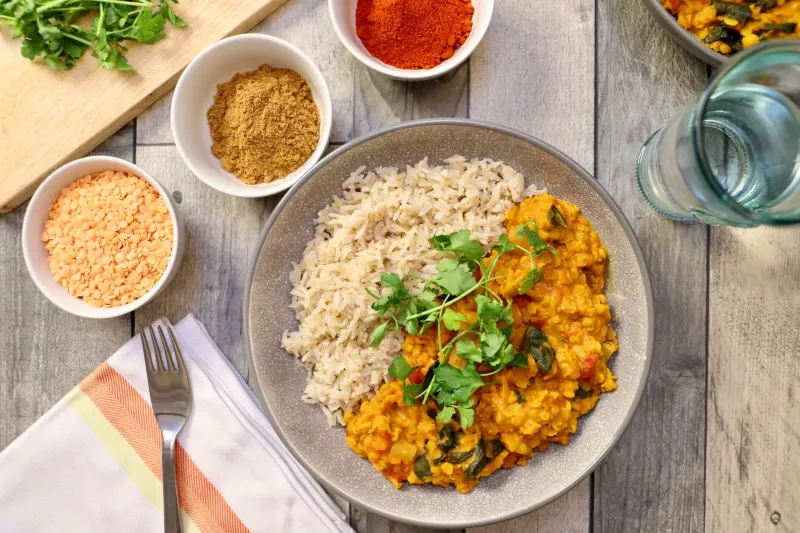
A standard serving of dal (lentil soup) over basmati rice hits remarkably close to that target, depending on how it's prepared. Add a side of roti or naan, and you're looking at a meal that's been accidentally optimized for recovery — by people who were just trying to eat well.
Compare that to the typical post-workout protein shake: high protein, low carbs, minimal micronutrients, and zero anti-inflammatory compounds. It gets the job done, technically. But it's not doing the whole job.
How to Order from Taaze Express Like an Athlete
You don't need to overhaul your entire nutrition strategy. You just need to order smarter. Here's a simple framework:
Within 60 minutes post-workout: Go for something carb-forward with moderate protein. Dal makhani with rice, rajma (kidney bean curry) with basmati, or any lentil-based dish is your best friend here. Ask for extra rice — seriously, don't fear the carbs right after training.
Two to three hours post-workout: This is when you want a more substantial protein hit. A paneer dish like palak paneer or paneer tikka masala delivers serious protein alongside fat and complex carbs. Chicken curries work great here too — the long-simmered spice base means you're getting anti-inflammatory benefits alongside your macros.
Rest days and lighter training days: Explore the vegetable-forward dishes. Aloo gobi, baingan bharta, and mixed vegetable curries are lower in calories but packed with micronutrients and fiber. Pair with a small portion of rice or a single roti to keep it balanced.
At Taaze Express, everything is made fresh — which matters more than most people realize. Pre-packaged recovery foods often lose their antioxidant potency during processing and storage. A freshly made turmeric curry is delivering active curcumin. A shelf-stable protein bar with turmeric extract? Not so much.
The Bottom Line for Fitness-Focused Eaters
Ayurveda didn't set out to create the perfect sports nutrition protocol. It set out to understand how food interacts with the human body at a deep, systemic level. The fact that its conclusions — eat warm, easily digestible, spice-rich, balanced meals after physical exertion — line up so cleanly with modern exercise science is either a remarkable coincidence or a sign that 5,000 years of observation is worth paying attention to.
Either way, your post-workout meal just got a serious upgrade. Skip the chalky shake, close the protein bar drawer, and order something that actually does the full job. Your muscles will thank you — and honestly, so will your taste buds.