That Spice Rack Is Costing You More Than You Think — Here's the Smarter Way to Eat Indian
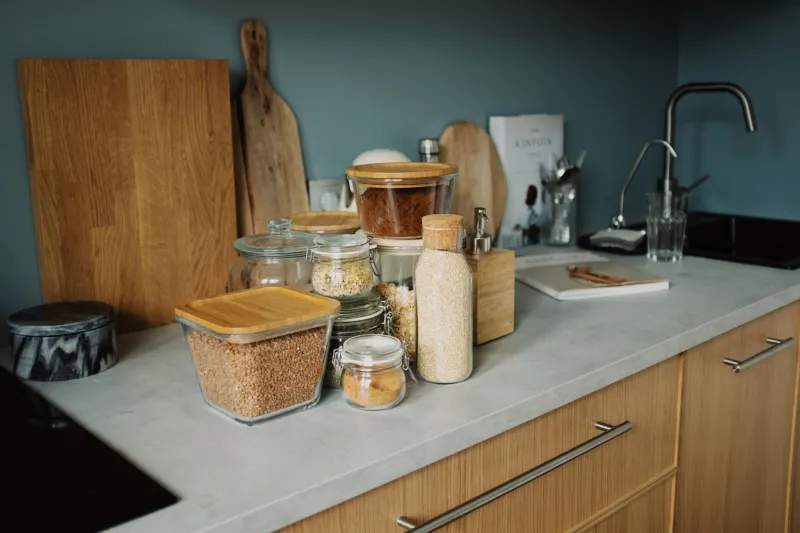
Open your spice cabinet right now. Go ahead. We'll wait.
Chances are you've got a jar of cumin that's been sitting there since the last presidential election, some turmeric you bought for a golden milk phase you abandoned in February, and a container of garam masala with a price sticker from a grocery store that closed down two years ago. Sound familiar?
You're not alone — and you're not cheap. You probably spent real money on those spices. According to data from the American Spice Trade Association, the average U.S. household spends somewhere between $150 and $250 on dried herbs and spices every year. A significant chunk of that goes straight into the trash, unused or expired, without anyone noticing.
For Indian cooking specifically, this problem hits harder than almost any other cuisine. The flavor backbone of a great curry, a proper dal, or a well-seasoned biryani depends on spices that are alive — fragrant, potent, and recently ground. When those qualities fade, the dish doesn't just taste a little flat. It tastes like nothing at all.
Why Indian Spices Go Dead Faster Than You Expect
Here's the thing about spices that most packaging won't tell you straight: "best by" dates are almost meaningless for predicting actual flavor quality. A jar of ground coriander might technically be safe to eat two years after opening, but its essential oils — the compounds responsible for that citrusy, floral punch — can degrade significantly within three to six months of opening, especially if stored near heat or light.
Whole spices hold up better. A cardamom pod or a cinnamon stick keeps its character for a year or more if stored correctly. But the moment you grind something, you're racing a clock. Ground cumin, ground turmeric, ground chili powder — these lose meaningful potency fast. And most of us aren't grinding our own spices at home. We're buying pre-ground, then leaving the jar open on a shelf above the stove, which is basically the worst possible place to store anything you want to keep fresh.
Heat kills volatile oils. Light oxidizes them. Moisture clumps the powder and introduces bacteria. The average American kitchen stovetop area checks all three boxes simultaneously.
The Real Cost Breakdown
Let's do some quick math. A basic Indian pantry setup — cumin, coriander, turmeric, garam masala, mustard seeds, fenugreek, cardamom, cloves, cinnamon, dried chilies, amchur, chaat masala — can easily run $80 to $120 at a decent grocery store or Indian market, even buying modest quantities. If you're shopping at a specialty grocer or buying organic, that number climbs fast.
Now factor in that most home cooks don't use these spices consistently enough to burn through them before they fade. If you're cooking Indian food once or twice a week, you might go through cumin and turmeric at a reasonable pace. But that whole jar of ajwain you bought for one recipe? The asafoetida (hing) you grabbed because a YouTube video told you it was essential? Those are almost certainly ghosts of their former selves, sitting in your cabinet doing absolutely nothing.
Conservatively, if you're replacing even half your Indian spice collection once a year because the old stuff just isn't cutting it anymore, you're spending $60 to $100 annually on spices that never quite deliver the flavor you were hoping for.
How to Actually Store Spices So They Last
If you're committed to building a home Indian spice collection, a few simple changes can extend the life of what you've got considerably.
Move everything away from the stove. A drawer, a low cabinet, or a pantry shelf away from any heat source is infinitely better than the rack next to the burners. Consistent cool temperatures slow down oxidation.
Go dark. Light is the enemy of volatile oils. Opaque containers beat glass, and if you do use glass, keep it somewhere dim. Those cute open spice racks on the counter look great on Instagram but they're flavor killers.
Buy whole, grind small. If you're serious about quality, invest in a small electric coffee grinder dedicated to spices. Buy whole cumin seeds, whole coriander, whole cardamom. Grind only what you need for a given recipe. The difference in aroma and taste is genuinely startling.
Date your jars. When you open a new spice, write the date on the lid with a marker. Ground spices are best within three to four months of opening. Whole spices can stretch to a year or beyond. This one habit alone will stop you from cooking with dead powder.
Smell before you cook. This is the simplest test. Open the jar and take a real sniff. If you don't get a clear, immediate aroma, the spice is past its prime. Cooking with it won't save it — it'll just give you a bland dish.
When It Actually Makes More Sense to Let Someone Else Do It
Here's the honest truth that most cooking content won't say out loud: maintaining a truly fresh, fully stocked Indian spice collection at home is a commitment. It requires buying in smaller quantities more frequently, storing things carefully, and cooking Indian food regularly enough to actually use what you buy.
For a lot of people — especially those cooking for one or two, or those who rotate through a bunch of different cuisines — that commitment doesn't quite pencil out. And that's completely fine.
This is exactly where ordering from a place like Taaze Express shifts from convenience to genuine value. A professional kitchen cooking Indian food every single day goes through spices at a pace that keeps everything perpetually fresh. The cumin going into your order today was probably restocked this week. The garam masala blend was likely made in-house, recently, from whole spices that were ground specifically for cooking — not sitting in a jar since last Thanksgiving.
You're not just paying for someone to cook for you. You're paying for the spice expertise, the sourcing, and the freshness that's genuinely hard to replicate at home unless you're deeply committed to the process.
A Simple Rotation System If You Want the Best of Both Worlds
You don't have to choose between home cooking and ordering out — a smart rotation makes both better.
Keep a core set of frequently used spices at home: cumin seeds, turmeric, a good chili powder, and maybe a quality pre-made garam masala blend. Buy small, use often, replace regularly. These are your weeknight workhorses.
For dishes that require a wider spice profile — biryanis, complex curries, layered lentil dishes — lean on Taaze Express. Those are the meals where ten-spice depth makes all the difference, and where a restaurant kitchen genuinely has the edge.
Think of it less as cooking versus ordering and more as playing to each option's strengths. Your home pantry handles the simple, the quick, the customizable. Your delivery order handles the complex, the layered, the deeply spiced.
Your wallet — and your taste buds — will both thank you for knowing the difference.