Order Smarter, Eat Better: The Hidden Timing Windows That Make Your Indian Food Taste Incredible
Most people think about what they want for dinner. Fewer people think about when to order it — and that's honestly leaving a lot of flavor on the table.
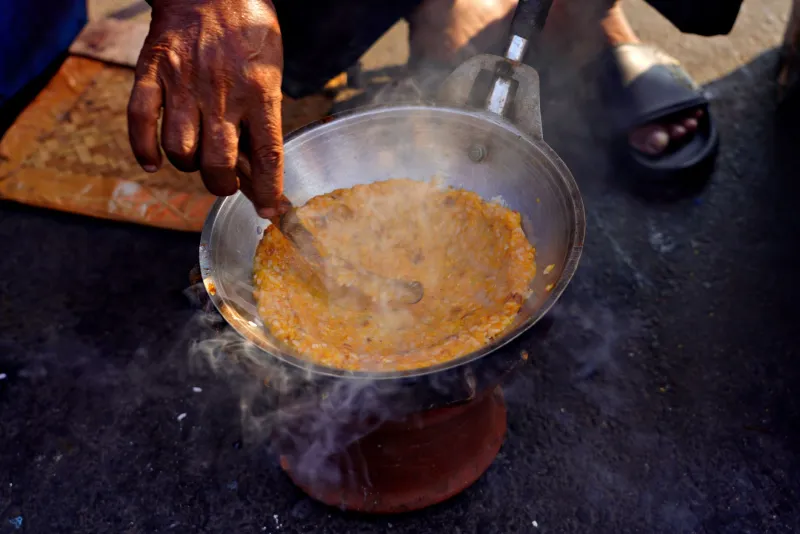
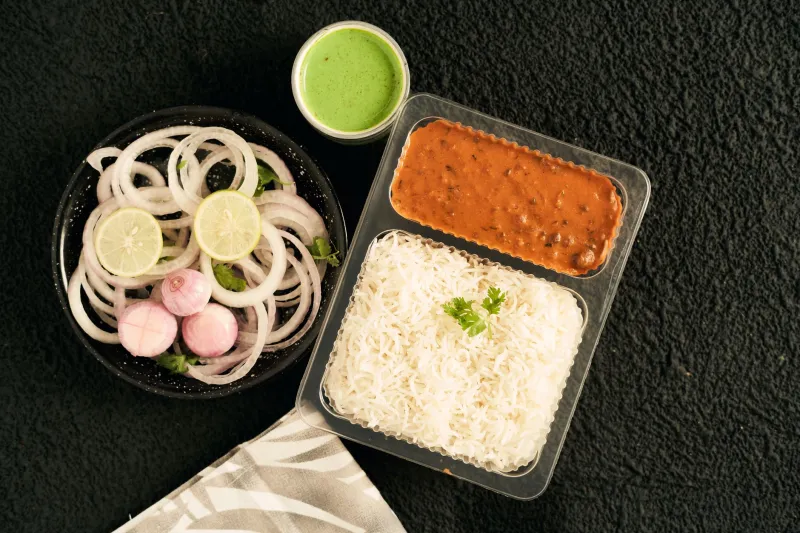
Here's the thing about fresh Indian food: it's not like pizza or a deli sandwich. Dishes like dal makhani, butter chicken, or a well-spiced biryani go through a real cooking process. Spices get bloomed. Sauces get reduced. Rice gets layered and steamed. Timing that process with your order — and your commute — is a small adjustment that pays off in a big way.
So let's talk about the actual mechanics of when to order from Taaze Express, and why shaving or adding just 30 minutes to your usual routine can completely change what lands at your door.
Why Kitchen Rhythm Matters More Than You Think
Every working kitchen runs in waves. There's a ramp-up period early in service when the team is prepping ingredients, getting sauces to temperature, and dialing in the line. Then there's peak chaos — usually somewhere between 6:00 and 7:30 PM on weeknights — when a surge of orders hits all at once. After that, things settle into a steadier, more controlled pace.
When you order during peak chaos, your food is one of dozens of tickets firing at the same time. That's not a knock on any kitchen — it's just math. More simultaneous orders means more pressure on every step of the process, from the initial sauté to the final packaging.
When you order just outside that window, you get a kitchen that's fully warmed up and operating smoothly — but not slammed. That's the sweet spot.
The Case for the 7 PM Order (Over the 6 PM Rush)
Let's get specific. If you're thinking about ordering dinner on a weeknight, the instinct for most people is to tap the app around 5:45 or 6:00 PM, right as they're wrapping up work or starting the commute home. That feels logical — you want food waiting when you walk in the door.
But that 6 PM window is exactly when order volume spikes hardest. Delivery times stretch. Kitchens are juggling maximum tickets. And here's the part that really matters: food that gets packaged during peak crunch and then sits in a bag waiting for a driver is food that's already losing steam — literally.
Pushing your order to 7:00 or 7:15 PM changes the whole equation. The kitchen has moved past the initial surge. Delivery drivers are more available. And your food goes from pan to package to your door in a tighter, faster sequence. The result? Hotter food, better texture, and sauces that haven't had time to separate or thicken awkwardly in transit.
Bonus: if you've got kids or a partner who eats a bit later anyway, a 7 PM order fits naturally into a 7:30 or 7:45 dinner — which, honestly, is a healthier eating rhythm than wolfing down takeout at 6:15 while still half-focused on work emails.
The Lunch Window Is a Different Animal
Weekday lunch orders operate on a completely different clock. The midday rush for delivery tends to peak between 12:00 and 12:45 PM — tight, compressed, and competitive for driver availability.
If you can swing it, ordering at 11:30 AM is a power move. You get ahead of the surge, your food arrives right as hunger actually kicks in (rather than after you've already started stress-snacking), and you're getting the kitchen at a moment when they've just finished prep and are ready to cook — not buried under simultaneous orders.
Can't do 11:30? Try 1:15 or 1:30 PM instead. The post-noon rush dies down fast, and a later lunch often means a more relaxed afternoon to actually enjoy it.
Ingredient Freshness Has Its Own Timeline
Fresh Indian cooking depends heavily on ingredients that are prepped daily — aromatics like ginger, garlic, and fresh chiles; herbs like cilantro and curry leaves; dairy components like paneer and yogurt-based sauces. These ingredients have quality windows, and a good kitchen manages them carefully.
At Taaze Express, prep happens in cycles tied to service. That means the freshest ingredients are hitting dishes during the early-to-mid service window — think 5:30 PM through 8:30 PM for dinner service, and 11:00 AM through 1:30 PM for lunch. Ordering outside those windows (like a very late-night order on a slow weeknight) might mean you're catching the tail end of what was prepped earlier in the day.
This isn't a dealbreaker — proper storage and kitchen management handle this well — but if you're chasing peak freshness, staying within those active service windows is the smart call.
Weekend Timing Is a Whole Different Playbook
Weekends shift everything. Saturday dinner orders tend to spike earlier — more like 5:30 to 6:30 PM — because people aren't locked into work schedules and often eat earlier or entertain at home. Sunday has its own pattern, with a softer lunch rush and a dinner wave that peaks around 6:45 PM.
For weekend ordering, the best windows are:
- Saturday lunch: 11:45 AM – 12:15 PM (right before the rush)
- Saturday dinner: 7:00 – 7:30 PM (after the early-evening surge)
- Sunday dinner: 5:30 PM or 7:15 PM (bookending the peak)
Sunday is also a great day to try dishes that take longer to cook well — slow-simmered curries, whole lentil dals, anything that benefits from real time on the stove. Kitchens often have more bandwidth on Sunday evenings to do those dishes justice.
One More Trick: Pre-Ordering Is Underrated
If you know you want dinner at 7:30 PM, placing a scheduled order at 3:00 PM is genuinely one of the best moves you can make. It locks in your meal before the evening rush even begins, gives the kitchen a heads-up to prep your specific dishes with full attention, and means your food is timed to arrive fresh rather than sitting in a queue.
Most people don't use pre-order features nearly enough. It's one of those quiet hacks that makes a real, noticeable difference in what you actually eat.
The Bottom Line
Great Indian food doesn't happen by accident — and great delivery doesn't either. A little awareness of how kitchens actually work, when demand peaks, and how ingredient freshness plays into the equation can take your Taaze Express order from good to genuinely excellent. Try the 7 PM window this week. You might be surprised by how much of a difference 60 minutes makes.