Forget the Protein Shakes: How Indian Food Became the Smartest Fuel for Fitness-Focused Americans
The Fitness World Has a Processed Food Problem
Walk through the supplement aisle of any American sporting goods store and you'll see the same story repeated in dozens of flavors: chalky protein bars loaded with sugar alcohols, pre-workout powders with ingredient lists that read like a chemistry exam, and ready-to-drink shakes that taste like someone dissolved a candy bar in chalk water.
American gym culture has done an impressive job convincing people that optimizing nutrition requires buying things in pouches. But the reality is that whole-food, high-protein eating has existed for centuries in cuisines that never needed a marketing budget — and Indian food might be the best example of this.
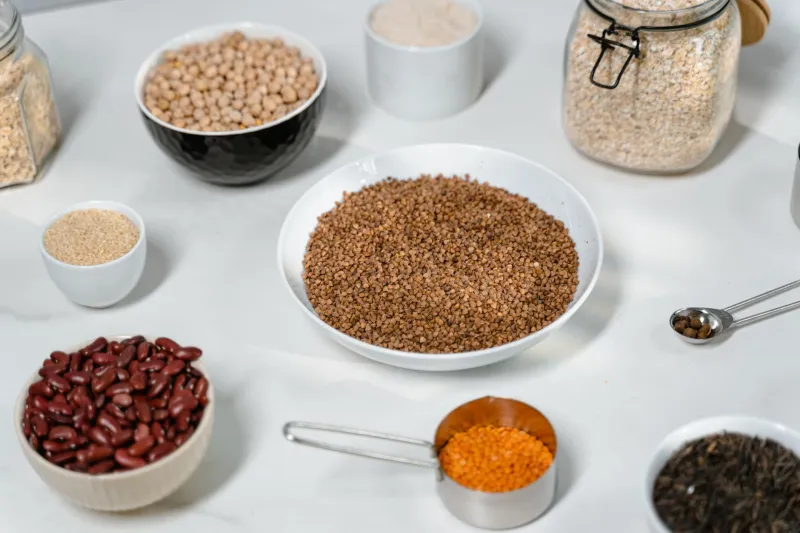
Lentils, chickpeas, paneer, yogurt, and lean proteins prepared with anti-inflammatory spices aren't a trend. They're the backbone of a culinary tradition that's been fueling hardworking people across an entire subcontinent for generations. And they happen to align almost perfectly with what sports nutrition science says you should be eating.
The Protein Math on Indian Staples
Let's talk numbers, because the protein content of traditional Indian ingredients is genuinely impressive.
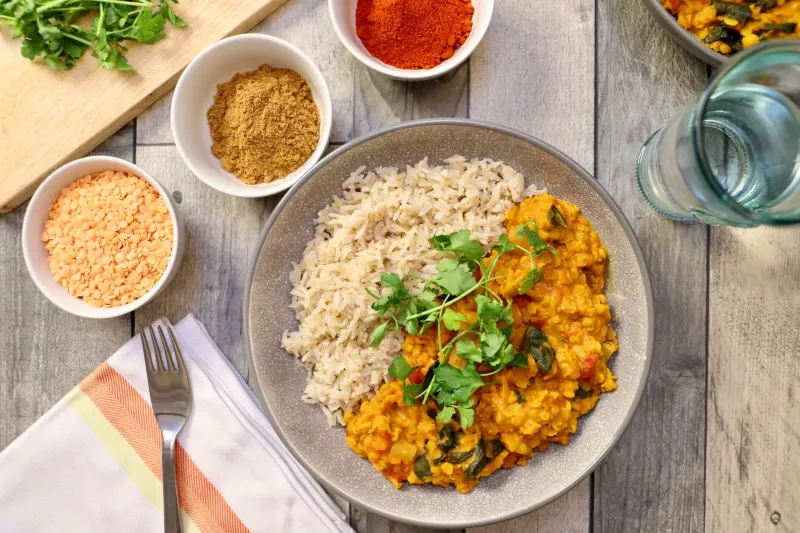
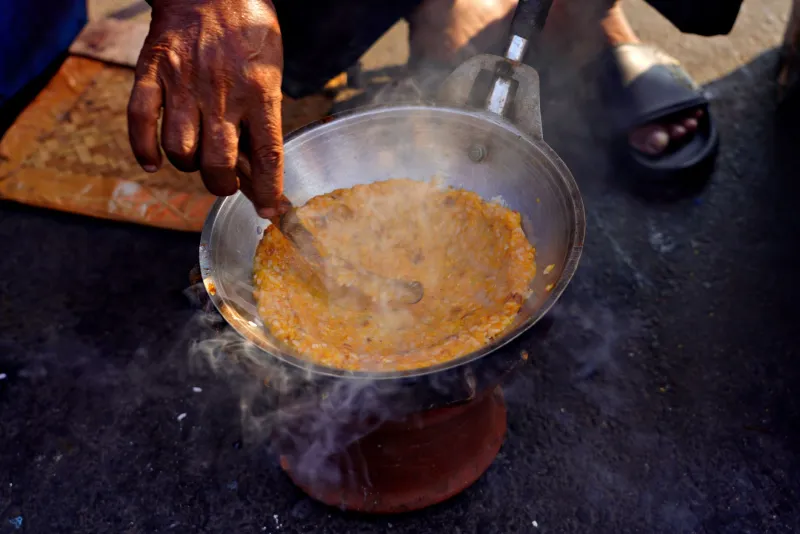
Lentils (dal): A single cup of cooked lentils delivers around 18 grams of protein and nearly 16 grams of fiber. That fiber slows digestion, which means a steadier release of energy — no crash, no mid-afternoon slump. Dal in its many forms (red, green, black urad) is essentially a high-protein, high-fiber meal that costs almost nothing to make and scales beautifully.
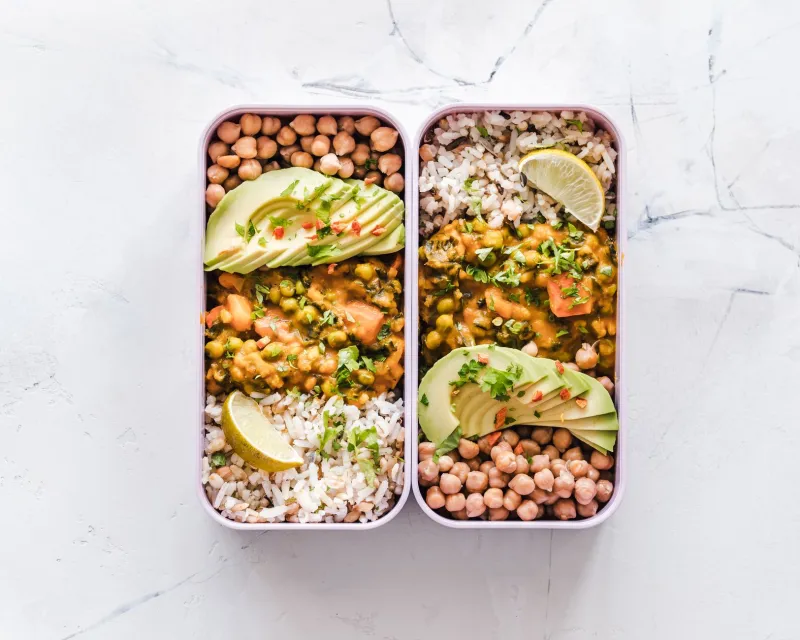
Chickpeas (chana): Chana masala, chole, roasted chaat chickpeas — these dishes are built on a legume that packs about 15 grams of protein per cooked cup, along with iron, folate, and complex carbohydrates. The combination of protein and slow-burning carbs makes chickpeas an excellent pre-workout fuel source.
Paneer: This fresh Indian cheese is essentially concentrated dairy protein. A 100-gram serving contains roughly 18–20 grams of protein and is naturally lower in lactose than aged cheeses, which makes it more digestible for people who are sensitive. It also holds up beautifully in high-heat cooking without melting, which is why you'll find it in everything from saag paneer to tikka preparations.
Greek-style yogurt and lassi: Yogurt (dahi) is fundamental to Indian cooking — as a marinade, a raita base, a cooling side. The probiotic content supports gut health, which is increasingly linked to immune function and even mood regulation. Post-workout recovery is about more than protein, and fermented dairy supports the broader recovery picture.
Spices That Actually Do Something
Indian cooking isn't just nutritionally dense — it's pharmacologically interesting. The spice combinations used in traditional Indian food have been studied extensively for their effects on inflammation, metabolism, and recovery.
Turmeric contains curcumin, a compound with well-documented anti-inflammatory properties. Exercise creates micro-tears in muscle tissue, and the resulting inflammation is a normal part of the adaptation process — but chronic low-grade inflammation slows recovery. Regular turmeric consumption has been associated with reduced post-exercise muscle soreness in several studies.
Ginger has long been used in Ayurvedic practice for its digestive and anti-nausea properties. More recently, research has pointed to ginger's potential role in reducing exercise-induced muscle pain. It also supports circulation and has mild thermogenic effects.
Black pepper contains piperine, which enhances the bioavailability of curcumin by up to 2,000 percent. The fact that turmeric and black pepper appear together constantly in Indian cooking isn't a coincidence — it's a synergy that traditional cooks figured out long before anyone ran a clinical trial on it.
Cumin supports digestion and has been linked to improved insulin sensitivity, which matters for anyone trying to manage energy levels and body composition simultaneously.
Matching Taaze Express Dishes to Your Fitness Goals
Not all Indian dishes serve the same nutritional purpose, and knowing what to order based on what your body needs is genuinely useful.
For muscle building and post-workout recovery: Look for high-protein options like paneer tikka, chicken tikka, or lamb preparations paired with dal. The combination of complete animal protein (or complementary plant proteins) with the anti-inflammatory spice base creates a solid recovery meal. Add a side of raita for the probiotic boost.
For sustained energy and endurance training: Chana masala or rajma (kidney bean curry) over basmati rice is a near-perfect endurance fuel combination. Complex carbohydrates from the rice and legumes provide glycogen replenishment, while the fiber slows absorption enough to prevent the energy spike-and-crash cycle.
For weight management and satiety: Dal-heavy dishes and vegetable-forward preparations like palak (spinach) dishes deliver high fiber and protein volume with relatively modest calorie counts. The spices also support metabolic function, and the sheer flavor intensity of Indian food means you feel satisfied after eating — not hunting for something else twenty minutes later.
For active recovery days: Lighter options like a dal soup, a yogurt-based raita with vegetable sides, or a simple khichdi (rice and lentil porridge) provide easy-to-digest nutrition without taxing a digestive system that's already working hard on tissue repair.
The Convenience Factor Is Real
One of the biggest barriers to eating well around a serious training schedule is time. Meal prepping whole grains, cooking legumes from scratch, marinating proteins — it's all worthwhile, but it competes with sleep, work, training itself, and basic human rest.
Indian food from Taaze Express solves this without compromise. You're not getting a processed approximation of a healthy meal. You're getting dishes built from whole ingredients, traditional preparation methods, and spice combinations that have genuine nutritional logic behind them.
Order once, eat well twice — most Indian dishes reheat beautifully, which means a single delivery order can cover both tonight's post-workout dinner and tomorrow's pre-training lunch.
Your Gym Bag Doesn't Need Another Supplement
The next time you're reaching for a protein bar that tastes like chocolate-flavored sadness, consider the alternative. A bowl of dal makhani, a plate of chana masala, a serving of paneer tikka — these aren't just satisfying meals. They're legitimate, whole-food nutrition strategies backed by thousands of years of culinary tradition and a growing body of modern research.
Your fitness goals don't require a supplement aisle. Sometimes they just need a good delivery order.