Why Indian Food Keeps You Full for Hours: The Science Your Stomach Already Knows
You order a plate of chana masala or a creamy korma for lunch, and somehow you're still not reaching for a snack at 3 p.m. Meanwhile, a fast-food combo meal has you hunting through your desk drawer for something—anything—within two hours. That's not a coincidence. Indian cuisine is, almost by design, one of the most satisfying food traditions on the planet. And nutrition science is finally catching up to what millions of people have known for centuries.
At Taaze Express, we're all about getting you fresh, authentic Indian flavors fast. But we also want you to feel good after you eat—not just in the moment, but for hours afterward. So we dug into the research and talked to some experts to explain exactly why your favorite Indian dishes are working overtime to keep your hunger in check.
Capsaicin: The Spice That Tells Your Brain to Slow Down
Let's start with heat. Most Indian dishes—from a fiery vindaloo to a milder tikka—contain some form of chili pepper, and with it, a compound called capsaicin. Dr. Lisa Patel, a registered dietitian based in Chicago who specializes in functional nutrition, explains it this way: "Capsaicin activates receptors in your gut that signal fullness to your brain. It also temporarily raises your core body temperature, which slightly boosts your metabolic rate and can reduce appetite in the short term."
In plain English? Spicy food literally tells your body to pump the brakes on hunger. Research published in the British Journal of Nutrition found that people who consumed capsaicin-containing meals reported lower appetite and consumed fewer calories at their next meal compared to those who ate non-spiced food. That's a meaningful difference—especially if you're trying to cut back on mindless snacking.
And it's not just chilies. Indian cooking layers heat from multiple sources: black pepper (piperine), ginger (gingerols), and mustard seeds all contribute compounds that interact with your digestive system in ways that plain, unspiced food simply can't match.
Legumes and Lentils: The Unsung Fiber Heroes
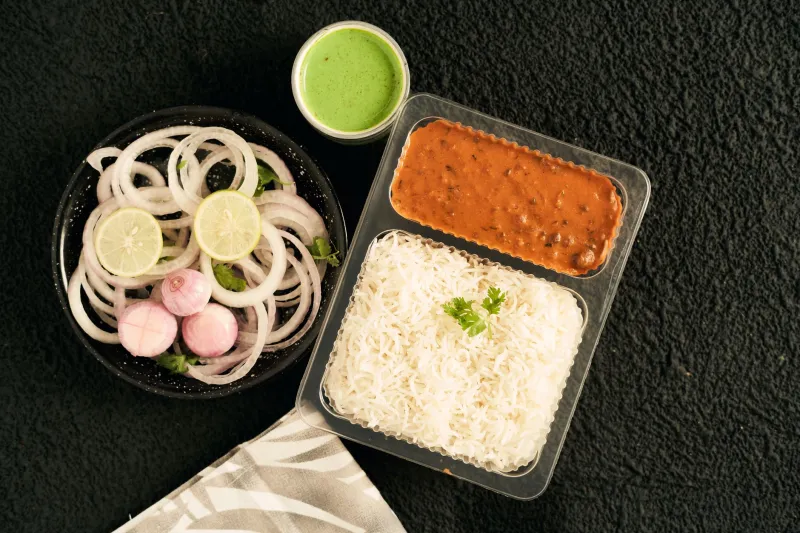
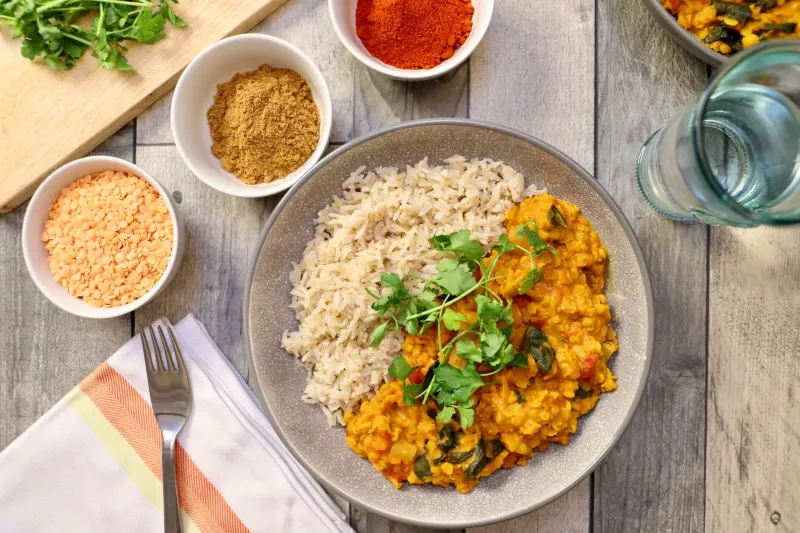
If you've ever ordered dal—whether it's a simple yellow toor dal or a rich dal makhani—you've tapped into one of the most fiber-dense, protein-packed ingredients in any cuisine. Lentils and legumes are the backbone of Indian cooking, and they're extraordinary at keeping hunger at bay.
"Legumes have a low glycemic index, which means they digest slowly and don't cause the blood sugar spikes and crashes that lead to cravings," says food scientist Dr. Raj Krishnamurthy, who researches plant-based nutrition at a university in the Bay Area. "A single cup of cooked lentils gives you roughly 18 grams of protein and 16 grams of fiber. That combination is incredibly effective at promoting satiety."
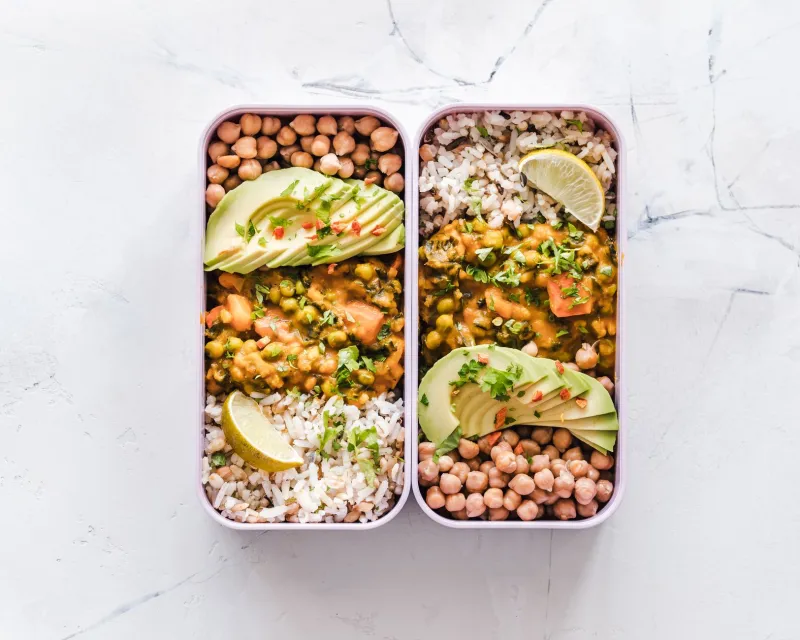
Compare that to a typical fast-food meal: a large order of fries has less than 5 grams of fiber, and most of the calories come from refined carbs and fat that metabolize quickly and leave you hungry again before you know it. Dishes like rajma (kidney bean curry), chhole (chickpea masala), and sambar aren't just delicious—they're nutritional workhorses.
The Flavor Complexity Factor
Here's something that doesn't get talked about enough: flavor intensity itself plays a role in how satisfied you feel after a meal. This is called "sensory-specific satiety," and it's a well-documented phenomenon in food psychology.
Basically, when a meal engages your senses intensely—through aroma, taste, heat, and complexity—your brain registers a stronger "I'm done" signal. A bland chicken breast and steamed broccoli might fill your stomach, but your brain doesn't feel nearly as satisfied as it does after a bowl of fragrant lamb rogan josh or a deeply spiced biryani.
"Indian cuisine is particularly effective here because of how many layers of flavor are involved," Dr. Patel notes. "You have fat-soluble spices bloomed in oil, water-soluble aromatics like onion and tomato, and dry spices added at different stages. Each element hits a different taste receptor. That complexity genuinely signals satisfaction in ways that simpler foods can't replicate."
Protein-Rich Curries: More Than Just Comfort Food
Beyond legumes, Indian cuisine leans heavily on protein-dense ingredients—paneer, yogurt-marinated meats, and chicken or lamb cooked low and slow in spiced gravies. Protein is the macronutrient most strongly associated with satiety. It takes longer to digest than carbohydrates, and it triggers the release of hormones like peptide YY and GLP-1, which suppress appetite.
A serving of paneer tikka masala, for example, delivers a solid hit of casein protein from the cheese, healthy fats from the cream base, and a full spectrum of spices—all working together to keep you comfortable and satisfied for the long haul. Tandoori chicken, marinated in yogurt and spices before being cooked at high heat, is another powerhouse: high protein, moderate fat, and virtually no empty carbs.
Ghee and Healthy Fats: Not the Enemy
A lot of Americans still flinch at the word "ghee," but this clarified butter—a staple in Indian cooking—actually plays a role in satiety that deserves more credit. Fat slows gastric emptying, meaning food stays in your stomach longer and hunger signals are delayed. Ghee also contains butyrate, a short-chain fatty acid that supports gut health and may help regulate appetite over time.
Used in moderation (which is how most traditional Indian recipes deploy it), ghee is a smart fat, not a scary one.
Making It Work for Your Week
So what does all this mean practically? If you're someone who's tired of the mid-afternoon slump, the pre-dinner snack spiral, or the post-lunch energy crash, swapping your usual lunch order for a well-balanced Indian meal could genuinely change your day.
At Taaze Express, we build our menu around dishes that are both fast and filling—not one or the other. A dal with rice, a chickpea curry, or a grilled tikka plate isn't just a meal. It's a few hours of actual energy and focus, backed by real nutritional science.
Your body was already trying to tell you this. Now you have the receipts.