Indian Takeout All Week Long: A No-Nonsense Guide to Which Dishes Reheat Brilliantly (and Which to Eat Right Now)
Here's a habit a lot of savvy home cooks have quietly adopted: ordering a big Indian delivery spread on Sunday and stretching it across the week. It's brilliant in theory. In practice, it depends entirely on what you ordered and how you reheat it. Order the wrong things and by Tuesday you've got a sad, rubbery mess. Order strategically, and Monday through Wednesday feels like you've got a personal chef.
We've done the legwork so you don't have to. Here's a region-by-region breakdown of which Indian dishes travel like champions and which ones need to be eaten the moment they hit your door.
North India: The Undisputed Kings of the Leftover Game
North Indian cuisine—think the rich gravies of Punjab, the slow-cooked meats of Lucknow, and the tandoor-fired breads and proteins of Delhi—is practically engineered for reheating. Why? Because most of these dishes are built around fat-based sauces that actually deepen in flavor as they sit.
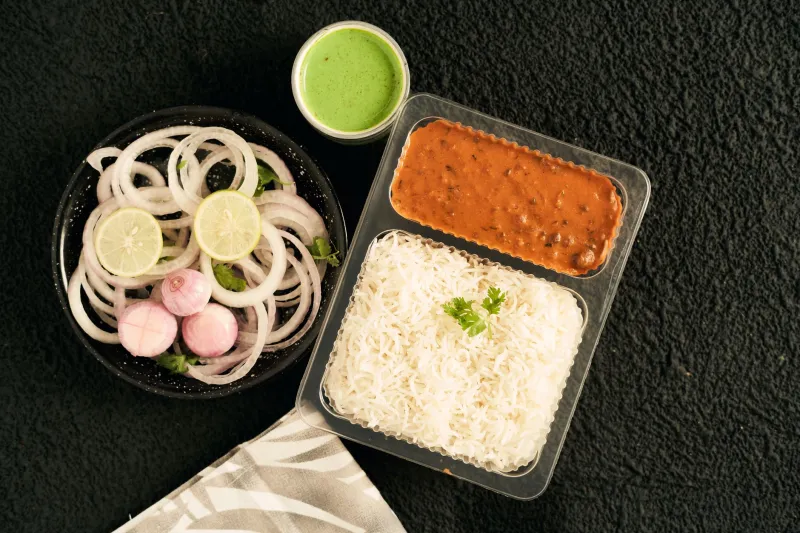
Dal Makhani is the poster child here. This slow-cooked black lentil dish, finished with butter and cream, is genuinely better on day two. The spices have more time to meld, the lentils absorb the sauce, and the whole thing turns into something richer and more cohesive. Store it in an airtight container and reheat it on the stovetop over medium-low heat with a splash of water to loosen it up. Microwave works too—just cover it and go in 60-second intervals, stirring between each.
Butter chicken and tikka masala follow the same logic. The tomato-cream base holds up beautifully in the fridge for up to three days. When reheating, add a tablespoon of water or a small pour of cream to bring back the silky texture. Don't blast it on high heat—gentle and low is the move.
Tandoori proteins (chicken, paneer, lamb) are a different story. The char and smokiness don't translate to reheated form particularly well if you're using a microwave, which tends to make them rubbery. Instead, reheat tandoori items in a skillet with a tiny bit of oil over medium heat, turning once or twice. You'll get some of that exterior texture back. Alternatively, toss them into a gravy-based dish for a next-day curry remix.
Naan and roti, let's be honest, do not reheat well in a microwave. They come out chewy and dense. Your best bet: wrap them in a damp paper towel and microwave for 20-30 seconds max, or heat them directly on a dry skillet for about 30 seconds per side. Stored properly in a zip-lock bag, they last about two days.
South Indian: Eat It Fresh, Plan Accordingly
South Indian food is a different beast entirely, and it requires a frank conversation about expectations.
Dosas are one of the most beloved items in this category—and one of the most unforgiving when it comes to delivery and reheating. A dosa is all about the crisp, paper-thin exterior. By the time it travels 20 minutes to your door, that crispiness is already compromised. By the time you reheat it the next day? You've got a soft, slightly gummy crepe. It's still edible, but it's not a dosa anymore in any meaningful sense.
If you're ordering South Indian, eat the dosas fresh. Same goes for idli (steamed rice cakes)—they're best warm and soft right out of the kitchen. They dry out in the fridge and reheat unevenly.
Sambar and rasam, on the other hand, are excellent travelers. These thin, tamarind-based lentil soups reheat perfectly on the stovetop and actually benefit from sitting overnight. They make a great standalone soup for lunch the next day.
Chettinad curries—the bold, peppery, dry-spiced meat preparations from Tamil Nadu—hold up well in the fridge and reheat nicely in a covered pan. The dry spice base doesn't break down the way cream-heavy sauces might.
Mumbai Street Food: The Honest Truth
Mumbai's street food scene is legendary—pav bhaji, vada pav, bhel puri, sev puri. But most of it is built around contrasting textures that dissolve the moment moisture and time get involved.
Pav bhaji is the exception. The thick, buttery vegetable mash reheats beautifully on a skillet and tastes just as good the next day. The pav (bread rolls) are another story—toast them fresh if you can, or accept that they'll be softer.
Bhel puri and sev puri are strictly eat-now affairs. The moment those puffed rice and crispy noodles sit in the chutneys, they turn soggy. There's no saving them. Order these only if you're eating immediately.
Misal pav—the spicy sprouted lentil curry—reheats like a dream. Keep the gravy and the sprouts together in one container, and you've got a satisfying next-day meal.
General Reheating Rules Worth Memorizing
- Gravy-based dishes: always add a small splash of water before reheating to prevent the sauce from drying out or scorching.
- Rice dishes (biryani, pulao): sprinkle a few drops of water on top, cover tightly, and microwave. The steam keeps the rice from drying out. Biryani, especially, gets more aromatic overnight as the spices penetrate the rice.
- Fried items (samosas, pakoras): skip the microwave entirely. An air fryer at 375°F for 3-4 minutes brings them back to something close to crispy. A conventional oven at 400°F works too.
- Yogurt-based dishes (raita): never reheat. Eat cold as a side or dipping sauce.
The Taaze Express Strategy
If you're thinking about ordering once and eating well for a few days, here's a simple formula: anchor your order around a dal, a gravy-based curry, and a tandoori protein. Add biryani if you want a built-in rice option. Skip the fried snacks unless you're eating them immediately, and enjoy the dosas right when they arrive.
Fresh Indian food is always going to be the ideal. But with a little planning—and the right dishes—your delivery order from Taaze Express can absolutely carry you through the week without any compromise on flavor. That's not a workaround. That's just smart eating.