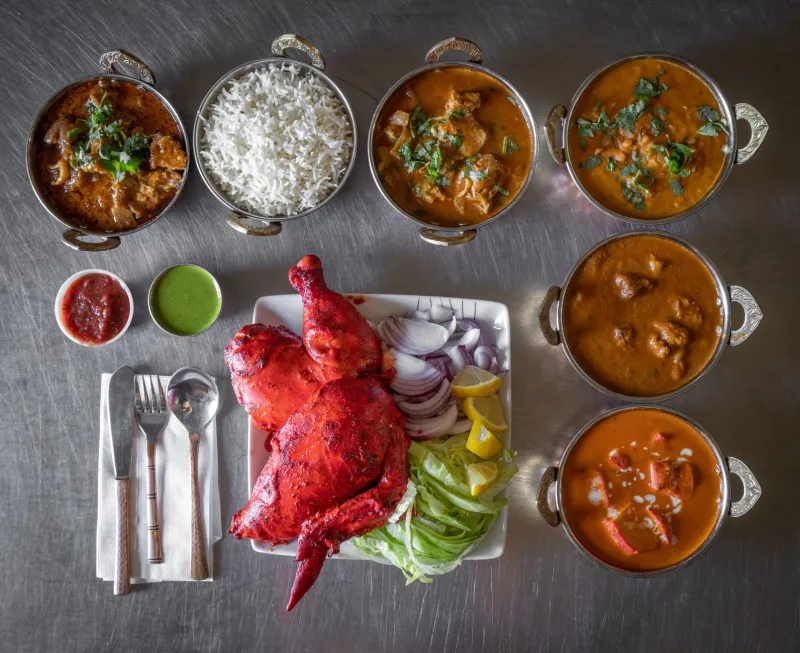
Why Your Takeout Never Quite Matches the Restaurant: The Real Kitchen Secrets Behind Indian Food's Flavor Gap
You've done everything right. You ordered from the same spot you love. You picked the same dish. You even tipped well. But somewhere between the kitchen and your front door, something changed — and you can't quite put your finger on what.
This isn't a delivery problem, exactly. It's a translation problem. Indian restaurant cooking involves a specific set of conditions that are genuinely difficult to replicate outside a professional kitchen, and understanding those conditions helps you order smarter, appreciate what you're getting, and know which dishes actually survive the journey best.
The Fire That Home Kitchens — and Delivery Bags — Can Never Fully Replace
Let's start with heat, because it's the biggest factor almost nobody mentions.
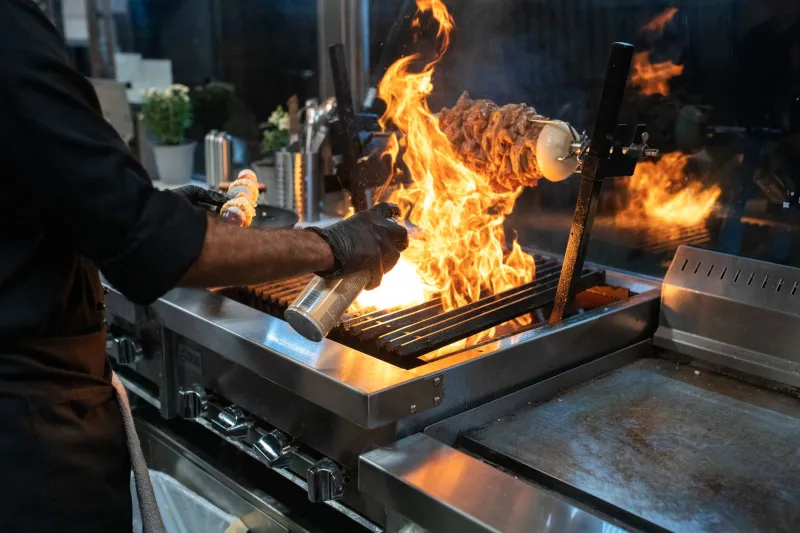
Commercial Indian kitchen burners typically run between 30,000 and 150,000 BTUs. Your home stove? Somewhere between 8,000 and 15,000 on a good day. That gap isn't just a number — it's the difference between a dal that sings and one that just sits there.
High heat creates something called the Maillard reaction at a speed and intensity that lower temperatures simply can't match. When a chef tosses aromatics — onions, ginger, garlic — into a scorching pan, they caramelize and char in seconds, producing hundreds of flavor compounds that form the backbone of a curry's depth. At home temperatures, that same process takes longer, and the result, while still good, lacks that slightly smoky, intensely savory quality that makes restaurant food taste like it was made by someone who really knows what they're doing. Because it was.
Delivery adds another layer: food that leaves a 400-degree kitchen starts cooling the moment it's boxed. The complex, volatile aromatic compounds in spices — the ones that hit your nose before the food even reaches your mouth — begin dissipating almost immediately. A dish served at the table thirty seconds after plating is a fundamentally different sensory experience than the same dish eaten twenty-five minutes later.
The Tandoor Factor
For anything involving naan, tandoori chicken, or kebabs, there's an equipment gap that no delivery innovation has fully solved yet.
A tandoor oven operates at temperatures between 700°F and 900°F. That extreme, dry heat creates a specific crust — slightly charred on the outside, incredibly juicy inside — that you simply cannot replicate in a conventional oven or on a stovetop. The clay walls of a tandoor also absorb and radiate heat in a way that wraps food from all sides simultaneously.
When tandoori chicken travels in a delivery bag, it continues cooking slightly from residual heat, loses moisture, and the exterior softens. It's still delicious. But it's a different dish than what you'd eat at the table, still smoking from the oven.
Ingredient Freshness Windows Are Surprisingly Short
Professional Indian kitchens often work in rapid, high-volume batches. Tempering — the technique of blooming whole spices in hot oil — is done to order or in very small batches, meaning the spices hit their flavor peak right before the dish is finished. That freshness window can be as short as two to three minutes.
Delivery inherently stretches that window. A dish that's tempered, plated, boxed, picked up, and driven across town has traveled well past its aromatic peak by the time you open the container. This is especially noticeable in dishes where the tempering is meant to be the finishing touch — like a tarka dal, where the final drizzle of spiced ghee is supposed to hit a bowl of warm lentils at the table, not sit underneath a sealed lid for half an hour.
Which Dishes Actually Travel Well
Here's the practical part. Not all Indian food suffers equally in transit, and knowing the difference is genuinely useful.
Braised and slow-cooked dishes — like rogan josh, nihari, or dal makhani — are built for time. These are dishes where the spices have fully integrated into the sauce over hours of cooking. There's no volatile freshness to lose because the flavor is baked deep into the base. They often taste just as good, sometimes better, after a short rest.
Thick, gravy-heavy curries — butter chicken, saag paneer, korma — insulate themselves. The sauce acts as a thermal barrier, keeping the protein from drying out and maintaining a reasonable temperature longer than drier dishes.
Rice dishes like biryani do reasonably well because the layered rice traps steam and keeps the interior moist, though the bottom layer can get slightly soggy if the container isn't vented properly.
What struggles most? Anything fried — samosas, pakoras, bhature — loses its crunch within minutes. Dishes with fresh, delicate garnishes like raita or chutneys that are meant to contrast with hot food become muddled. And anything tandoor-cooked loses its defining texture faster than almost anything else on the menu.
How to Close the Gap on Your End
A few small moves make a real difference when your order arrives.
Open the containers immediately and let the steam escape. Trapped steam is the enemy of texture. If you have an oven, a quick two-minute blast at 400°F can partially revive a naan or a piece of tandoori chicken. Keep raita and chutneys separate and add them at the table, not before.
And honestly? Order the dishes that are designed for the format. A beautifully made dal makhani from a great kitchen, arriving hot and rich after a twenty-minute drive, is going to deliver more of its intended experience than a tandoori platter trying to survive the same journey.
The flavor gap between restaurant and delivery is real, but it's not a failure — it's just physics. Knowing what's happening in that gap makes you a smarter, more satisfied customer every single time you order.