Cheap vs. Premium Indian Delivery: A Brutally Honest Guide to Where Your Money Actually Goes
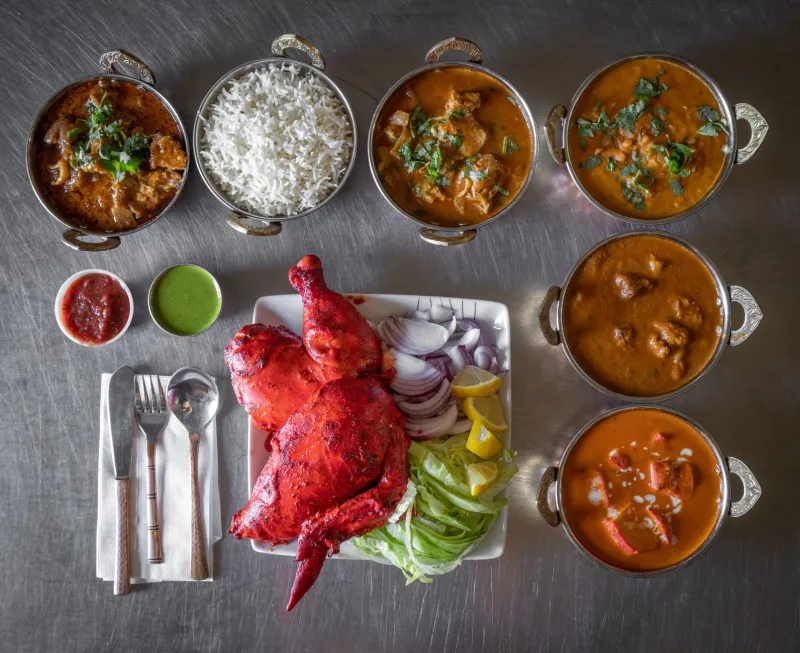
You've been there. Two restaurants on the delivery app, same dish, fifteen dollars apart in price. One has a slightly fancier name and a logo that looks like it was designed in this decade. The other has 400 reviews and a four-star average built over ten years. You order the cheaper one, tell yourself it's basically the same, and then spend the meal wondering if you made a mistake.
Sometimes you did. Sometimes you didn't. The honest truth about Indian food pricing in the US is that the gap between budget and premium options is sometimes completely legitimate and sometimes entirely manufactured. Learning to tell the difference is one of the most useful things you can do as a regular delivery customer.
What Actually Costs More in a Professional Indian Kitchen
Before we talk about what you're paying for, it helps to understand where restaurant costs actually live.
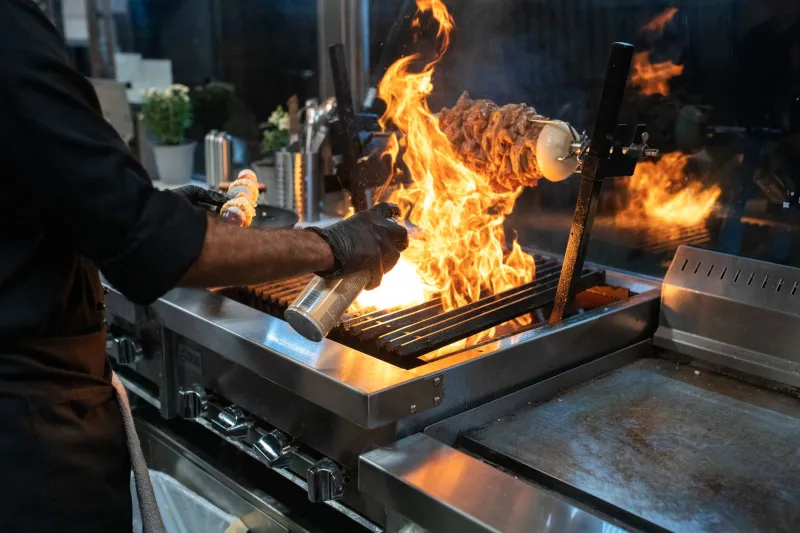
Spice quality and sourcing is a bigger variable than most people realize. Whole spices — cardamom pods, black peppercorns, cinnamon sticks, cloves — vary enormously in quality and price depending on origin and freshness. A restaurant buying pre-ground spice blends in bulk from a generic supplier is working with a fundamentally different ingredient than one sourcing whole spices from specific regional producers and grinding them in-house.
The flavor difference is real and noticeable. Fresh-ground spices have volatile aromatic compounds that pre-ground spices lose within weeks of processing. A korma made with freshly ground cardamom and fresh-cracked black pepper has a brightness and complexity that the same dish made with six-month-old pre-ground spice simply doesn't.
Protein sourcing is another major cost driver. Halal-certified, antibiotic-free chicken from a specialty supplier costs significantly more than standard commodity chicken. Grass-fed lamb versus feedlot lamb is an even larger price gap. These differences show up in texture, flavor, and how the protein responds to marinating and high-heat cooking.
Preparation labor is expensive and often invisible on a menu. A proper biryani involves layering, sealing, and slow-cooking in stages — a process that takes hours and requires skilled attention. A restaurant that charges $18 for biryani versus $11 may simply be charging for the actual labor involved in making it correctly.
The Budget End: Where Corners Get Cut
This isn't a criticism — budget Indian food in the US is often genuinely good and serves an important purpose. But understanding the trade-offs helps you set expectations.
At lower price points, the most common shortcuts involve spice blends (pre-mixed, older, less complex), marinating time (shorter or skipped entirely), and sauce construction (starting from a pre-made base rather than building from raw aromatics). None of these automatically produce bad food. A skilled cook can make an excellent dish with modest ingredients. But the ceiling is lower.
Portion size is also used as a value signal at the budget end — you get more food for the money, which feels like a win. And sometimes it is, especially for dishes like dal or chana masala where the quality gap between budget and premium is smaller because the dish is inherently simple and forgiving.
Budget dishes worth ordering: Dal tadka, chana masala, aloo gobi, vegetable biryani. These are dishes where preparation simplicity and fresh ingredients matter more than expensive proteins or elaborate technique. The quality ceiling is high even at low prices.
The Premium End: What Legitimate Upgrades Look Like
At the higher price tier, you're paying for a combination of things — and the best premium Indian restaurants are transparent about what those things are, even if they don't spell it out on the menu.
A $28 lamb rogan josh from a serious kitchen involves a specific cut of bone-in lamb, a marinade that likely started the previous day, a spice blend that was probably ground that morning, and a braise that ran for at least two hours. The fat has rendered into the sauce. The collagen has broken down into gelatin. The spices have fully bloomed and integrated. You taste the difference immediately.
Premium restaurants also tend to invest in technique that's hard to shortcut. Dum cooking — sealing a pot with dough and slow-roasting it — produces a moisture and flavor concentration that faster methods can't replicate. Proper ghee tempering at service, rather than building it into the sauce during cooking, adds a freshness that's immediately detectable.
Premium dishes worth the price: Bone-in lamb preparations, slow-cooked nihari, proper dum biryani, anything involving a high-quality paneer made in-house. These are dishes where sourcing and technique have compounding effects on the final result.
A Decision Framework That Actually Works
Here's a simple way to think about it before you order.
Go budget when: You're ordering for volume (feeding a group, meal prepping), you're ordering vegetarian dishes that don't rely heavily on protein quality, or you're ordering a dish you've had from that restaurant before and know works well at their price point.
Go premium when: You're ordering a protein-forward dish where the cut and quality of meat matters, you're ordering something that requires complex layered technique (biryani, nihari, slow braises), or you're ordering for an occasion where the meal is the point rather than just the fuel.
The review test: Before ordering a premium dish from a new spot, look specifically for reviews that mention freshness, spice complexity, or texture — not just "delicious" or "great value." Those qualitative signals tell you whether the higher price is reflecting genuine craft or just a nicer logo.
The best Indian food at any price point is made by people who care about the cooking. But when someone is charging you $30 for a dish and backing it up with real sourcing, real technique, and real time — that's a meal worth paying for. Knowing the difference means you'll spend the extra money exactly when it counts.