Speed Without Shortcuts: The Kitchen Secrets Behind a Perfect Indian Meal in Under 15 Minutes
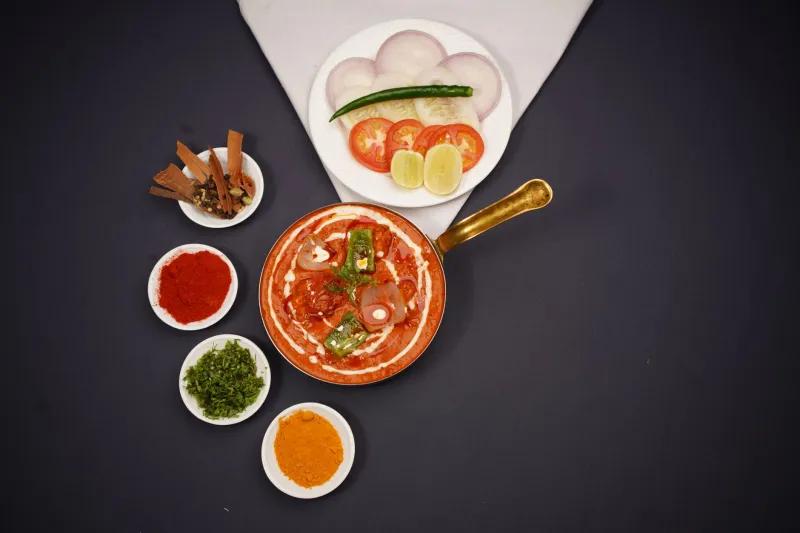
Anyone who has attempted a proper chicken tikka masala on a Tuesday night knows the drill. You pull out the yogurt for the marinade at 6 p.m., realize you forgot to bloom the spices, spend twenty minutes hunting for your kashmiri chili powder, and end up eating at 9:15 with a sink full of dishes and a faint sense of defeat. Indian cooking, for all its magic, has a reputation for being involved.
So how is it that a fast-casual Indian kitchen—busy, loud, running dozens of orders simultaneously—can hand you that same tikka masala, fragrant and genuinely delicious, in the time it takes to scroll through your work emails? The answer isn't a cheat code. It's operational brilliance, and it's worth paying attention to.
The Myth of the Long Simmer
Traditional Indian cooking leans heavily on time. Slow-cooked dals that bubble for hours, overnight marinated proteins, whole spices toasted and ground fresh for each dish. That depth of flavor feels inseparable from those long timelines, which is why most people assume speed and authenticity can't coexist.
But professional Indian kitchens—especially the new wave of fast-casual spots reshaping the American food scene—have quietly dismantled that assumption. The key insight? Most of the time in traditional Indian cooking is passive. The actual active cooking windows are shorter than you think. What fast-casual operations do is collapse the waiting without touching the cooking.
Take dal makhani. At home, you're soaking black lentils overnight, pressure cooking them for 45 minutes, then simmering with tomatoes and cream for another hour. In a fast-casual kitchen, the lentils are already cooked in large batches during off-peak prep hours—slow-cooked overnight in a commercial steam kettle to develop that same buttery depth. When your order comes in, a scoop hits the pan with finishing spices and cream, and it's done in four minutes. The flavor didn't get shortchanged. The wait time just moved to a different part of the day.
Mise en Place, Indian-Style
French kitchens made mise en place—everything in its place before cooking starts—a culinary religion. Indian fast-casual kitchens have taken that philosophy and turbocharged it for subcontinental cuisine specifically.
The foundation is the masala base. Most complex Indian dishes share a common aromatic backbone: onion, ginger, garlic, and tomato cooked down together with whole and ground spices. In a home kitchen, building this base from scratch adds 20 to 30 minutes to every dish. In a professional fast-casual kitchen, this gravy is prepared in large quantities each morning, adjusted for specific dishes, and portioned out ready to go. When an order fires, a cook is starting from flavor—not from raw aromatics.
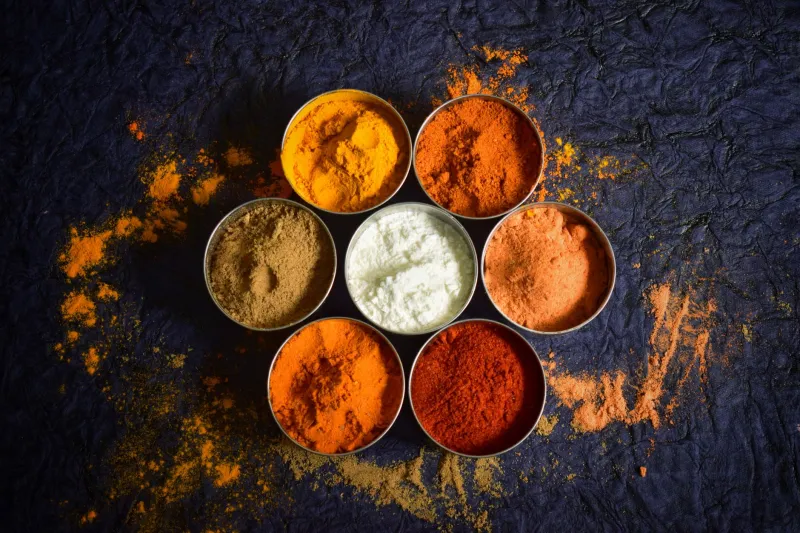
Spice blending is the other major lever. Rather than reaching for eight separate jars, fast-casual kitchens develop proprietary spice blends—house garam masalas, chaat-specific mixes, tandoori rubs—that are pre-mixed in bulk. Each blend is calibrated so that a single measured scoop delivers a precisely layered flavor profile. It's not dumbing down the spicing. It's systematizing the expertise.
The Protein Prep Window
Here's where home cooks consistently lose the most time: proteins. A proper tandoori chicken requires marinating for at least four hours, ideally overnight. Lamb for a rogan josh needs time to absorb spices deeply. You simply cannot rush that chemistry.
Fast-casual kitchens don't try to. Proteins are marinated in large batches at the start of each day—or even the evening before—and then held at temperature, ready to hit the grill or the pan the moment an order comes in. A chicken tikka that needs 20 minutes of grill time at home takes under 5 minutes in a commercial kitchen because the marinade work is already done and the grill is running at a consistent high heat.
For home cooks, this is actually the most actionable takeaway: front-load your marinating. Prep your proteins the night before. It costs you five minutes of effort, and it completely transforms your weeknight cook time.
Menu Engineering Is a Real Thing
Not every traditional Indian dish translates to a fast-casual format, and the best Indian fast-casual kitchens know this. Menu engineering—the deliberate design of a menu around operational efficiency—is a serious discipline, and it's doing a lot of quiet work behind your 12-minute saag paneer.
Dishes that share base components get grouped. A kitchen running butter chicken, tikka masala, and palak paneer is using variations of the same tomato-cream base, meaning prep scales efficiently across multiple menu items. Dishes that require dramatically different cooking methods or highly specialized ingredients tend to get left off the fast-casual menu, not because they're less delicious, but because they'd break the timing model.
This isn't a compromise—it's curation. The dishes that make it onto these menus are there because they can be executed at speed and at quality. That's a harder bar to clear than it sounds.
What Home Cooks Can Actually Steal From This
You're not going to install a commercial steam kettle in your apartment. But the operational logic of a fast-casual Indian kitchen maps onto home cooking in ways that are genuinely practical.
Batch your base. Make a large pot of onion-ginger-garlic-tomato masala on Sunday. Divide it into portions and freeze them. On a weeknight, you're starting your curry from a place of depth, not from a raw onion.
Build your own spice blends. Mix your go-to garam masala, your chaat masala, your tikka rub in small batches. Label them. Keep them accessible. The difference between reaching for one jar versus eight is a meaningful time save when you're tired at 7 p.m.
Let time work for you, not against you. Marinate proteins the night before. Soak lentils in the morning. These are five-minute tasks that make weeknight cooking feel effortless rather than exhausting.
The fast-casual Indian kitchen didn't invent new flavors. It just figured out where the time was being wasted and moved it somewhere smarter. That's not a culinary shortcut. That's just good cooking.