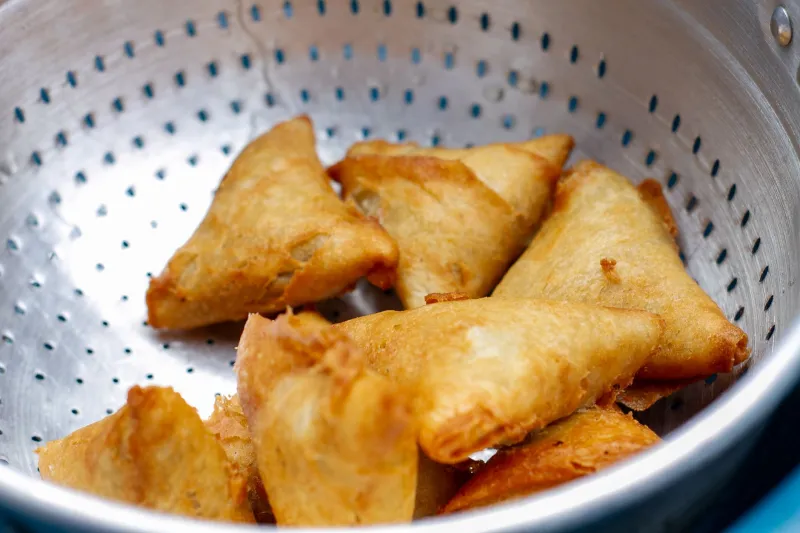
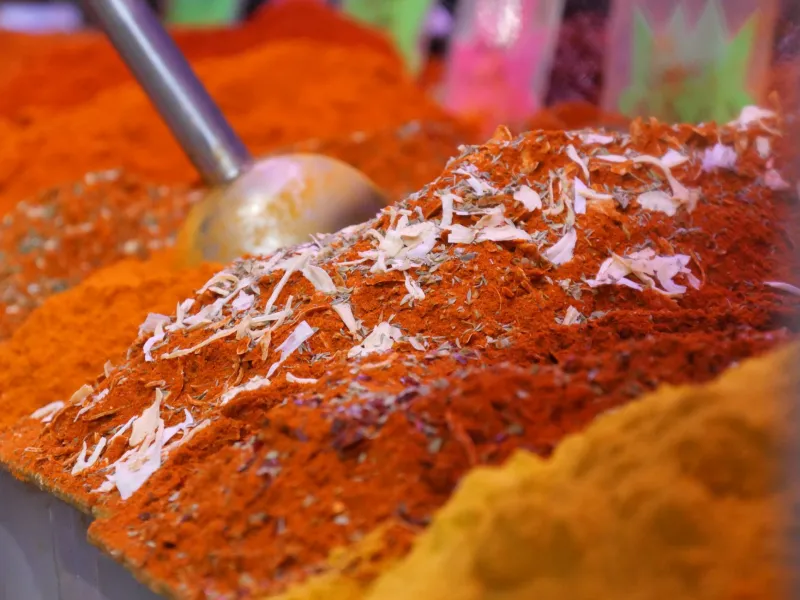
Speed Is a Feature, Not a Bug: The Surprising Reason Fast Indian Delivery Keeps Spices at Their Peak
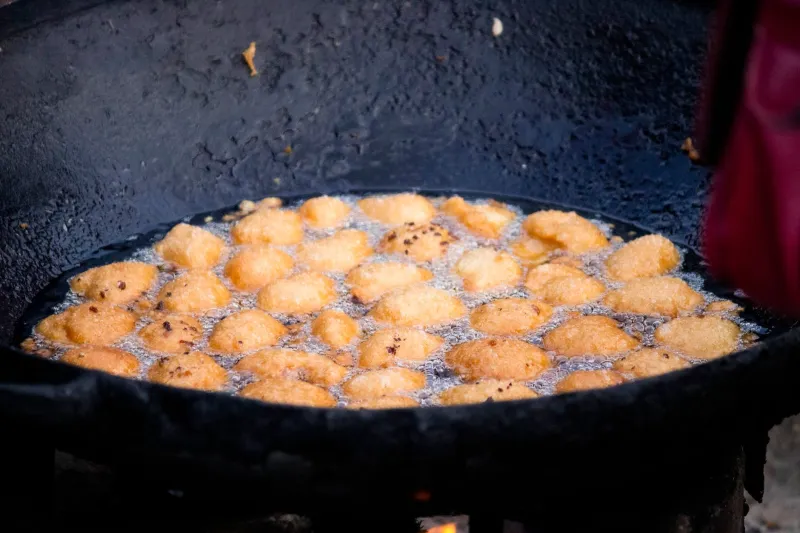
There's a deeply American instinct to distrust fast food. Decades of drive-throughs and sad cardboard containers have trained us to assume that speed is the enemy of quality. Get it quick, sacrifice something. That logic makes total sense for a lot of cuisines—but Indian food? It quietly breaks the rule in ways most people never think about.
When your order from Taaze Express lands at your door in 25 minutes, still steaming, something genuinely interesting is happening inside that container. The spices aren't degrading. In a lot of cases, they're still working.
What Actually Happens When Indian Food Is Cooked
To understand why speed helps Indian food, you have to start in the pan—specifically, with a technique called blooming.
Almost every Indian dish begins with whole or ground spices hitting hot oil or ghee. Cumin seeds crackle and pop. Mustard seeds jump. Ground coriander, turmeric, and garam masala get stirred into fat and subjected to intense, brief heat. This isn't just flavor-building. It's chemistry.
Heat activates volatile aromatic compounds in spices—things like terpenes, aldehydes, and essential oils—that are otherwise locked inside the spice's cellular structure. Fat acts as a solvent, pulling those compounds out and suspending them in the dish. The result is a flavor that's been chemically transformed and stabilized in oil, not just sprinkled on top of food at the last second.
This matters enormously for delivery. Because the flavor isn't sitting on the surface—it's dissolved into the dish itself—it doesn't evaporate the moment the lid comes off. It travels. It holds. It waits for you.
The 30-Minute Window Is Actually a Sweet Spot
Food scientists who study spice chemistry will tell you that freshly bloomed spices hit a kind of peak shortly after cooking, when the heat has done its activation work but the volatile compounds haven't had time to fully dissipate. Think of it like a song that's loudest right after someone turns up the volume—not during the fade-out.
A dish that arrives in 20 to 35 minutes is still riding that peak. The turmeric hasn't dulled. The cumin hasn't gone flat. The cardamom in a biryani hasn't turned into a vague background whisper.
Contrast that with a dish that sat on a steam table for two hours at a buffet, or one that was cooked in the morning and reheated for dinner service. Those dishes have crossed the threshold where the volatile aromatics have largely cooked off, leaving behind a heavier, muddier version of the original flavor. The food might still taste good—but it doesn't taste alive in the same way.
Fast delivery, somewhat paradoxically, preserves that aliveness.
Oil Is the Unsung Hero of Flavor Travel
Here's another piece of the puzzle that doesn't get enough credit: Indian cooking is fundamentally oil-based in a way that protects flavor during transit.
A dish like dal tadka or chana masala carries its spice compounds suspended in a layer of oil that rises to the top during cooking. That oil layer acts almost like a seal, slowing the escape of aromatics and keeping the dish's flavor profile intact while it's in a closed container. When you open the lid and stir, you're reintegrating that flavor-rich oil back into the dish—and suddenly everything smells and tastes exactly the way it did coming off the stove.
This is why Indian food reheats so beautifully, but it's also why it travels so well. The fat-based delivery mechanism is doing protective work the entire time your order is en route.
Why 'Quick' Doesn't Mean 'Rushed'
There's an important distinction worth making here. Fast delivery doesn't mean the cooking was rushed. The dishes coming out of a well-run Indian kitchen are built on techniques that are inherently efficient—not because corners are being cut, but because the cooking method itself is designed for speed.
A properly made tarka dal takes about 20 to 25 minutes from start to finish if you're working with a cook who knows what they're doing. A good chicken tikka masala, once the marinated chicken is ready, can come together in under 20 minutes. These aren't slow-braise dishes that need six hours to develop flavor. They're high-heat, high-aromatics dishes where the magic happens fast and decisively.
When Taaze Express gets your food to you quickly, it's not rushing something that needed more time. It's delivering something that was already done right—and doing it before the clock works against the flavor.
The Stale Spice Problem Is Real—But It Lives in Your Cabinet, Not Your Container
Here's a twist worth sitting with: the most common place Americans encounter stale Indian spices isn't in a delivery container. It's in their own kitchen.
Ground spices lose potency fast once opened—most experts put the useful window at six months to a year, though many home cooks are working with jars that are two or three years old. When you cook Indian food at home with those spices, you're starting with compounds that have already largely degraded. The bloom step can only do so much with a jar of cumin that's been sitting open since the previous administration.
A restaurant kitchen running high volume goes through spices quickly. That turnover means the spices going into your order are almost certainly fresher than what's in your pantry. Combined with a fast delivery window, you're getting food built on potent, recently purchased spices and delivered before any post-cooking degradation sets in.
That's a compounding freshness advantage that most people never think to account for.
What This Means for How You Order
None of this means delivery is always perfect or that every Indian restaurant operates this way. But it does mean that when you're ordering from a kitchen that cooks fresh to order—rather than holding food in warmers for extended periods—speed of delivery is genuinely working in your favor.
A few practical takeaways:
- Order during peak hours with confidence. High-volume kitchens are turning out food faster, which means fresher oil blooms and shorter hold times before your order goes out.
- Open the container and stir before you dig in. That oil layer on top isn't a flaw—it's flavor waiting to be reintegrated.
- Don't overthink reheating. A quick minute in the microwave or a splash of water in a pan brings everything back without destroying the spice work that was done right the first time.
- Smell it when it arrives. Seriously. A dish with freshly bloomed spices has a specific, immediate aromatic intensity. If it hits you the moment you open the container, that's a good sign the kitchen cooked it to order.
The Takeaway
The idea that fast food is inherently low quality is a reasonable heuristic—but it was built around a different kind of cooking. Indian cuisine, with its oil-based spice chemistry, high-heat aromatics, and fundamentally quick cooking methods, operates by a different set of rules.
Speed, in this context, is a feature. It's what gets the food from a crackling, aromatic pan to your table before the clock has a chance to take anything away. The next time your Taaze Express order shows up faster than you expected, don't second-guess it. That's the dish at its best—and the science backs it up.