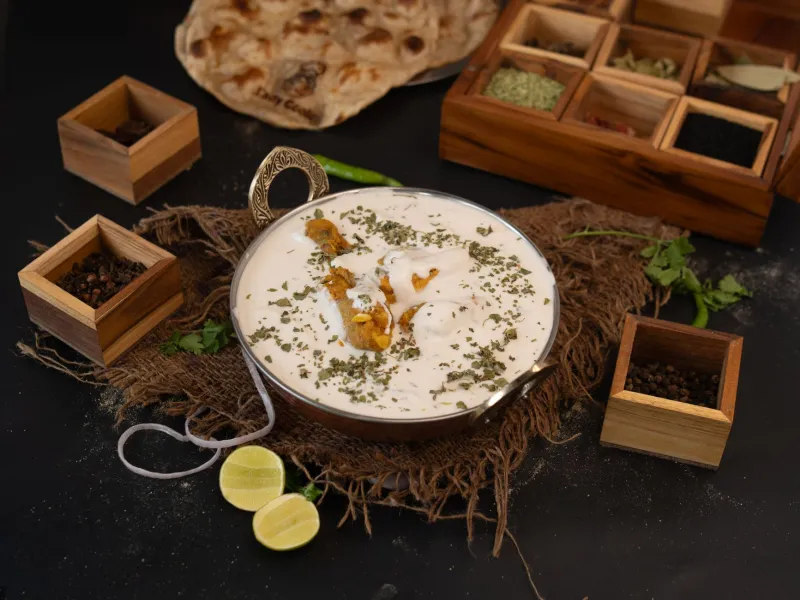
Fast Delivery Doesn't Kill the Flavor — For Indian Food, It Actually Saves It
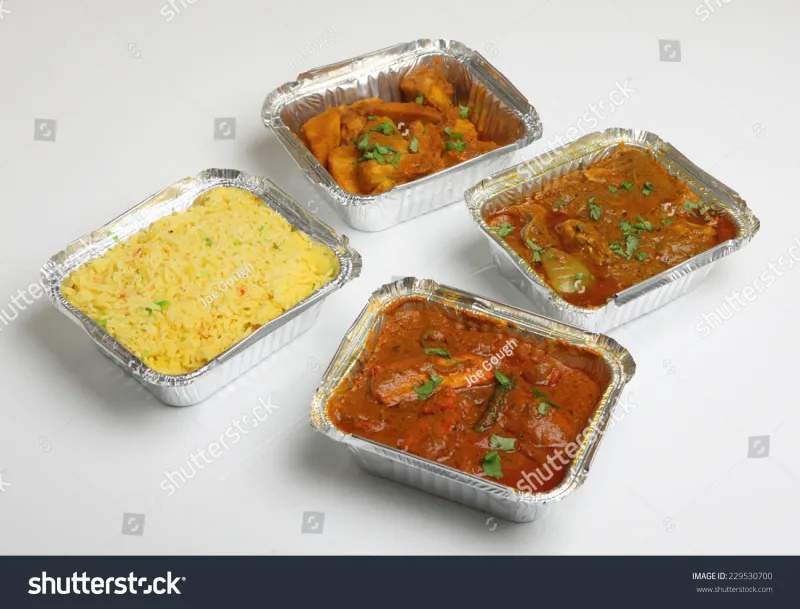
Photo: Indian curry takeout delivery container open lid steam spices, via www.shutterstock.com
The Assumption Nobody Questions
When someone tells you their food arrived in under 25 minutes, the instinct is to feel relieved rather than impressed. Like the delivery beat the odds. But here's what most people never stop to consider: for Indian food specifically, fast delivery isn't just convenient — it's actually the correct way to receive it.
This isn't marketing spin. It's rooted in how Indian dishes are built, how spices behave under heat, and what happens to flavor compounds during transit. Once you understand the mechanics, you'll never look at a 20-minute delivery window the same way again.
What Spices Are Actually Doing Inside Your Container
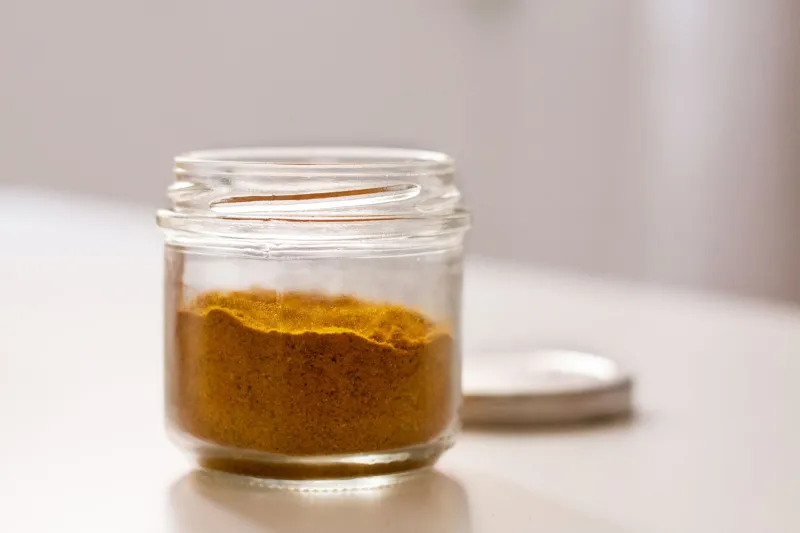
Indian cooking is, at its core, a study in volatile chemistry. The aromatics that make a good dal smell incredible — cumin, coriander, turmeric, garam masala — release their most potent compounds when they're hot. These are called volatile aromatic molecules, and they're exactly what you're smelling when you lift the lid off a freshly delivered dish.
Here's the catch: those molecules don't stick around forever. Heat accelerates their release, which means a dish that's been sitting in a bag for 45 minutes has already off-gassed a significant portion of what made it smell (and taste) extraordinary. The longer the transit, the more aromatic punch you lose before the food even hits your plate.
When your order arrives in 20 minutes or less, those compounds are still largely intact. The cumin is still blooming. The fenugreek is still doing its thing. The whole spice profile lands the way the cook intended — not as a faded echo of it.
Heat Retention and Why Indian Food Has a Built-In Advantage
Not all cuisines are created equal when it comes to surviving a delivery run. A thin broth or a lightly dressed salad loses heat fast. But Indian dishes — your tikka masalas, your rajma, your thick lentil-based curries — are dense, fat-rich, and often contain a significant amount of liquid. This combination makes them remarkably good at holding onto heat.
Fat is an excellent thermal insulator. A sauce built on ghee, cream, or slow-cooked onions retains warmth far longer than something water-based. This is why your butter chicken still feels properly warm when it arrives, while a soup from another cuisine might be lukewarm by the time it's in front of you.
The key, though, is keeping that heat window tight. Indian food holds warmth well, but it doesn't hold it indefinitely. The 20-to-25-minute window is what food scientists would call the "thermal sweet spot" — the dish is still at or near serving temperature, the spices are still volatile, and the textures haven't had time to deteriorate. Go much past 40 minutes and you're in different territory: sauces thicken awkwardly, rice absorbs steam and turns gummy, and bread like naan starts to feel like it was made yesterday.
The Texture Problem Nobody Talks About
Flavor gets most of the attention in delivery conversations, but texture is equally important — and equally vulnerable to time. Consider paneer: when it's fresh and hot, it has a gentle give to it, almost creamy in the center. Let it sit for an hour and it firms up, loses that interior softness, and starts to feel more like a rubber eraser than a fresh cheese.
Or think about a good samosa. The pastry shell is designed to be shatteringly crisp when it first comes out of the fryer. That crispness survives maybe 15 minutes in a sealed container before steam starts softening it from the inside. Fast delivery is the only thing standing between you and a soggy samosa.
The same principle applies to anything fried, to fresh bread, and to dishes where a contrast between textures — crispy garnish over a smooth dal, for example — is part of the experience. Speed isn't just preserving flavor. It's preserving the architecture of the dish.
Why Slow Delivery Feels Fine (Until You Know What You're Missing)
Here's the honest part of this conversation: if you've only ever received Indian food after a 45-minute delivery window, you might not know what you're missing. The food still tastes good. It's still filling, still fragrant, still miles ahead of most other delivery options. Indian cuisine is forgiving enough that it survives a slow ride better than, say, a burger or a bowl of ramen.
But "survives" and "thrives" are different standards. When you eat Indian food that's been delivered fast — genuinely fast, not just "we said 30 minutes but it was actually 38" fast — there's a noticeable difference. The sauce has a brightness to it. The spices feel alive rather than settled. The whole thing tastes like it just came off the stove, because it basically did.
Once you've had it that way, it's hard to go back to treating delivery time as an afterthought.
The Packaging Equation
Speed alone doesn't solve everything. The container your food travels in matters just as much as how quickly it gets to you. Good delivery packaging does two things simultaneously: it traps heat while also allowing just enough ventilation to prevent steam buildup. Too much trapped steam and your naan goes limp. Too little insulation and your curry arrives cold.
The best containers for Indian food are designed with this balance in mind — vented lids for breads and fried items, sealed containers for curries and dals. When you pair smart packaging with a short delivery window, you've essentially solved the two biggest enemies of good delivery food: heat loss and steam damage.
Ordering With This in Mind
Knowing all of this should actually change how you order. If you're choosing between placing an order now versus waiting another 20 minutes until you're "really ready," go ahead and order now. The food is better when it arrives on the earlier side of your hunger window, not the later one.
If you're ordering a mix of dishes, think about which ones are most time-sensitive. Fried starters are the most vulnerable; curries are the most forgiving. If you're picking up rather than getting delivery, have your table set and your people seated before you walk out the door.
And if you're ordering from a place that actually prioritizes fast delivery as part of their model — not as a gimmick, but as a genuine commitment to the food arriving at its best — that's not a small thing. That's the whole point.
Speed as a Form of Respect for the Food
There's a tendency to think of fast food as inherently lesser — rushed, careless, cut-corner cuisine. Indian food delivered quickly flips that assumption. Here, speed is an act of care. It's a kitchen saying: we made this right, now let's get it to you before anything changes.
The spices are volatile. The textures are fragile. The heat is temporary. Everything about a well-made Indian dish is built around a window of time, and the best delivery services understand that their job is to shrink that window as much as possible.
Fresh flavors don't wait around. Fortunately, neither does a good delivery team.